
Technology
Electrical measurements for condition monitoring
Electrical Signature Analysis uses current and voltage measurements at the motor control cabinet to investigate faults in motor-driven equipment. The signal can contain information about the motor, drivetrain and driven load.
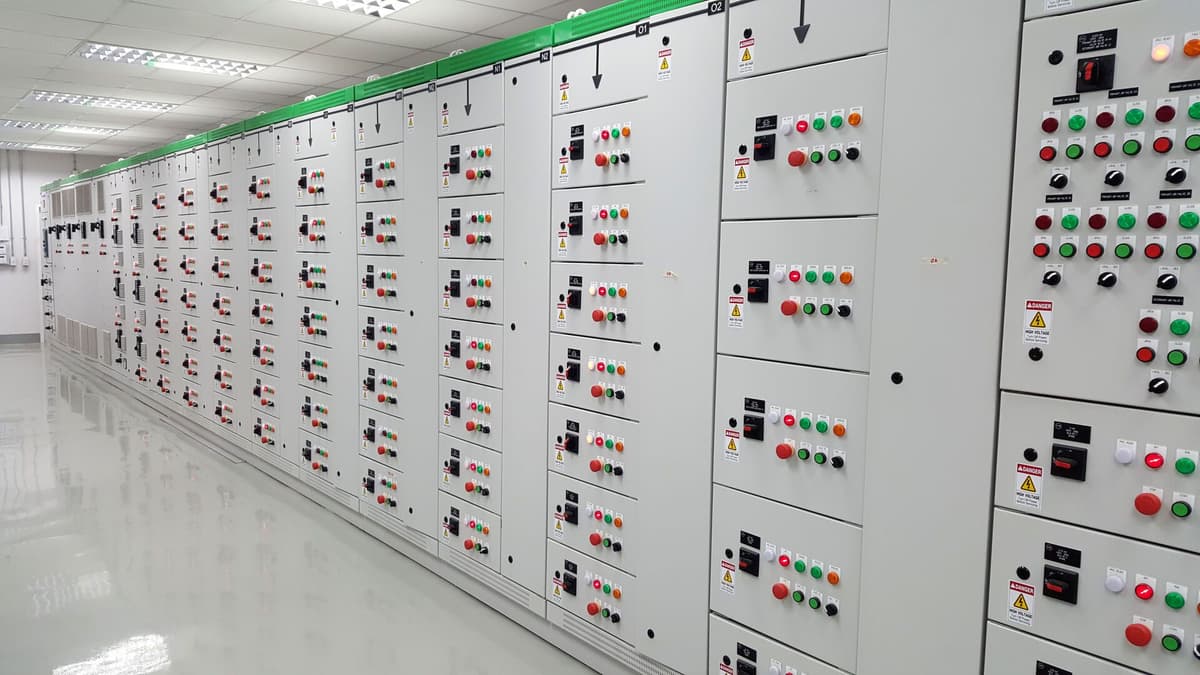
Why electrical signals?
Every drivetrain component affects the motor's electrical signal. Changes in bearings, alignment, cavitation, or load alter the current pattern the motor draws. ESA measures these patterns to detect faults early — typically weeks to months before failure.
No sensors on the asset
Measurements are taken at the motor control cabinet, so sensors do not need to be fitted to the asset. Installation still requires safe cabinet access and the site’s electrical permits.
Physics-based detection
Mechanical faults can alter motor load and the electrical signal. SAM4 analyses fault patterns alongside the asset’s operating baseline.
Fleet-wide coverage
Monitor 100+ motors from a single motor control cabinet. Economics that justify monitoring your entire fleet, not just critical assets.
Validated at scale
7,000+ assets monitored worldwide. AI models continuously trained on 7,000+ real industrial machines.
Faults ESA detects
ESA detects mechanical and process faults across the drivetrain, directly from the motor's electrical signal. Weeks to months before failure.
Bearing Wear
Spalling and friction in rolling element bearings altering motor load patterns.
Misalignment
Angular or parallel misalignment increasing mechanical load and torque oscillations.
Unbalance
Rotor mass imbalance producing periodic load variation in the electrical signal.
Belt Degradation
Slippage and wear altering rotational load patterns in belt-driven systems.
Cavitation
Vapor bubble collapse in pumps causing fluctuating hydraulic load.
Blockage
Flow restrictions increasing pump load and energy consumption.
How ESA compares
Traditional monitoring instruments individual machines. ESA monitors the entire fleet from the electrical system.
| Feature | Traditional vibration | SAM4 ESA |
|---|---|---|
| Sensor on asset | Required | Not required |
| Install effort per asset | Days per asset | Under 60 minutes |
| Site disruption | Machine access, scaffolding, permits | One cabinet visit, brief de-energisation |
| Asset coverage | Critical assets only | Entire motor fleet |
| Fault scope | Mechanical faults | Mechanical + electrical + process |
| Diagnostics | Manual analysis | AI + engineer validated |
| Typical cost/asset | $10K+ installed | $200-500 |
Understand ESA in detail
Explore the fundamentals, the system architecture, and how ESA compares to traditional methods.
ESA Fundamentals
How motor current signatures reveal drivetrain faults.
How SAM4 Works
Signal capture at the MCC, AI diagnostics, and expert validation.
ESA vs Vibration
Compare installation effort, coverage, and fault detection capability.
Looking for the full SAM4 system pipeline? See how SAM4 works
See how SAM4 monitors assets your sensors cannot reach
In a short call, we review your asset types and show where Electrical Signature Analysis would detect faults across your motor fleet. Trusted by utilities, metals producers, and energy operators monitoring thousands of motors.