ESP monitoring · launch partner programme

Know how your ESPs are holding up, not just how your wells are running

We read the electrical signal of your ESP motor from the surface to catch problems early, without going downhole. Samotics is an established Electrical Signature Analysis company bringing proven technology to ESPs. We're inviting a small number of launch partners to shape it with us.

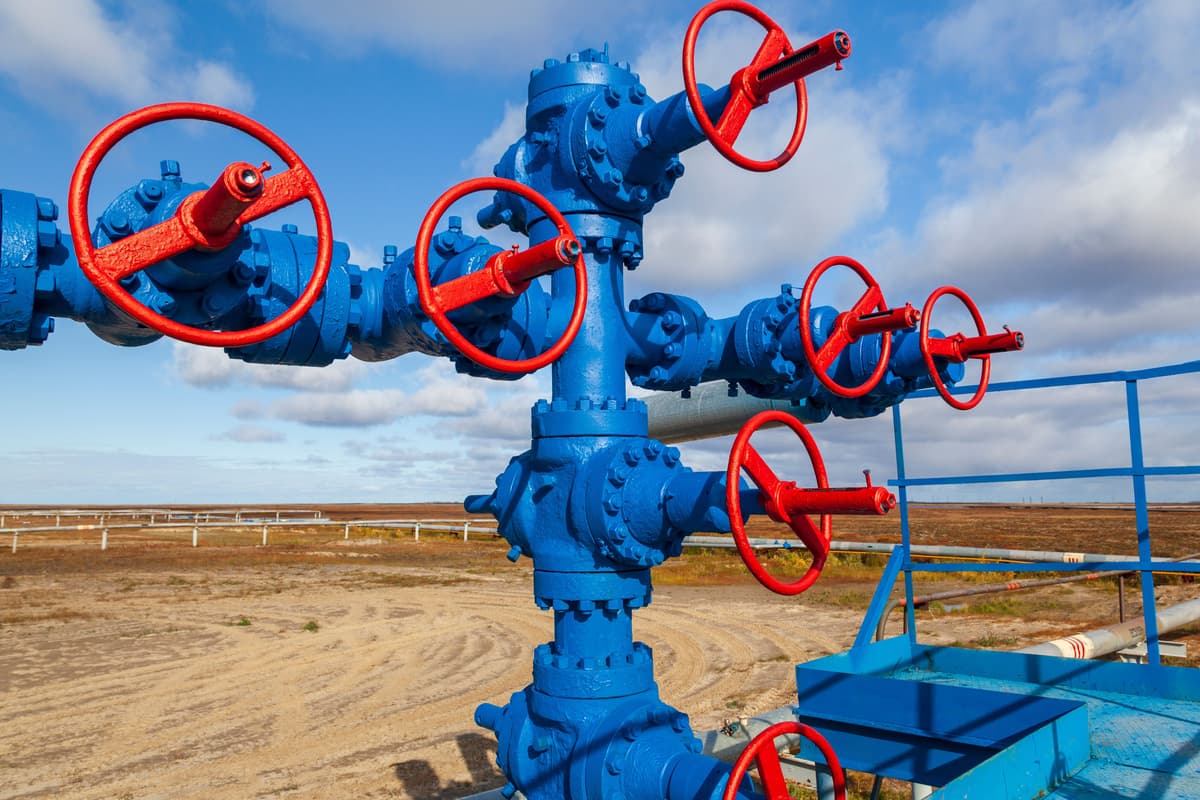
Wellhead with red valve wheels at an oil field
7000+
assets continuously monitored by SAM4, across industries
5 continents
where SAM4 monitors assets today
Expert-validated
Samotics's expert check the detection before it reaches you
The gap

ESP failures are among the most expensive events in production

A failure means a workover, deferred production and often a well offline longer than anyone planned. By the time a problem in the equipment shows up in the operating data, it's often already well developed.

What you see today

How the well is running

  • Pressures
  • Temperatures
  • Flow
What Samotics makes visible

How the equipment is holding up

  • Developing faults in the motor, cable and surface equipment
  • Where in the system they're developing
  • Flagged early enough to plan an intervention

Read from the motor's electrical signal at the surface, alongside the data you already have.

How it works

What is Electrical Signature Analysis?

Electrical Signature Analysis (ESA) reads the electrical signal of a motor and turns it into early, actionable warnings about developing faults. An ESP is driven by an electric motor, so that motor acts as a sensor for the whole system.

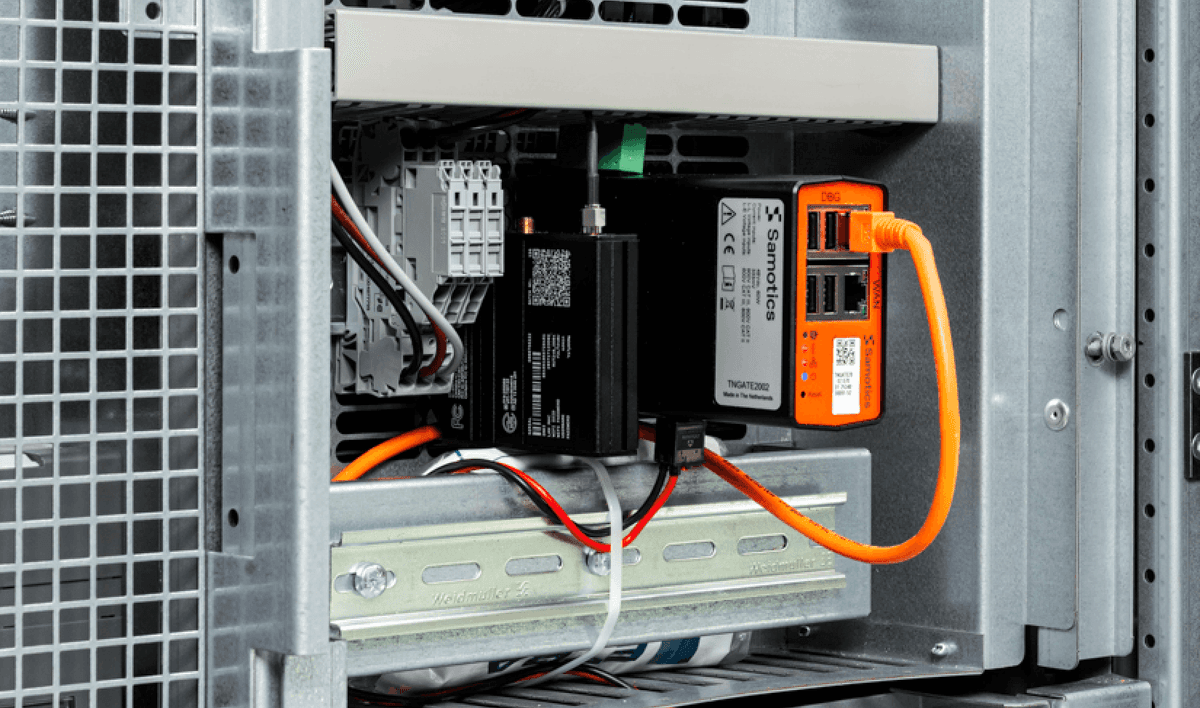
SAM4 hardware installed in an electrical panel
SAM4 hardware installed in an electrical panel at the surface.
  1. 01

    Measure at the surface

    We measure the motor's current and voltage at 20 kHz at the switchgear or VSD. Nothing is installed downhole.

  2. 02

    Read the signature

    Electrical, mechanical and operational problems downhole all leave a trace in the electrical signal.

  3. 03

    Act early

    You get early, actionable warnings about developing faults, with reliability engineers behind every alert.

No downhole hardware

No well intervention, and nothing that fails along with the equipment it's meant to watch.

Existing wells too

Because we measure at the surface, we can install on existing wells without pulling the ESP.

Physics we know

We've applied this principle successfully on other rotating equipment for years. ESPs are a new environment; the physics isn't new to us.

A service, not a dashboard

You get findings an engineer has already checked, not a stream of anomaly scores to work through yourself.

One view across your fleet

Designed to be independent of the ESP and drive manufacturer, giving one consistent view across the whole fleet, on new and existing wells alike.

Learn more about ESA technology →

Across the well's life

Two points in a well's life where it matters most

1First production

Maximum drawdown, minimum margin for error

The pump is running hard while you chase an early rate, and conditions change fast. We monitor continuously from the surface and flag developing electrical faults early enough to plan an intervention.

2The long tail · exploring with launch partners

An oversized pump on a declining well

Rate has dropped and the pump now runs far off its best efficiency point, where downthrust and heat shorten run life. Following how the pump's load changes as the well declines, so you can plan around a trend instead of reacting to a failure, is something we want to explore with launch partners.

What the electrical signal can reveal

Electrical

  • Sine wave filter failures
  • Phase-to-ground faults

Mechanical

  • Rotor wear

Gas

  • Gas locking
What we've shown

Real faults, detected from the surface, in live operations

We've monitored ESPs in the field together with an ESP OEM and published the results in a peer-reviewed paper. We detected real faults from the surface, in live operations, alongside the existing downhole sensors. It shows the approach works on ESPs, not just in theory. And we're precise about what's proven and what isn't.

Oil wellhead with red valve wheels
Case study · Oil & gas

Identifying and fixing a broken sine wave filter in electric submersible pumps

Recurring ESP problems had no obvious cause. Irregular harmonic and voltage patterns at the surface VFD traced them to a failed sine wave filter.

View case study →
Questions

What operators usually ask

We already have downhole gauges. Why add this?

Gauges tell you how the well and the operation are behaving. We look at something different: the health of the ESP itself and the electrical system driving it. They answer different questions, so they work well together.

My gauge already shows motor temperature and vibration. Isn't that ESP health?

Those are useful signals, and they often show that something is wrong. What they rarely show is what's wrong and where it's developing. The electrical signal carries detailed information about the motor, the cable and the surface equipment, often earlier. And when a gauge fails, we're still measuring.

Can this replace our gauges?

No, and we wouldn't advise it. They do a job we don't do. We add a layer of insight on the equipment that they can't give you.

Do you need to pull the ESP to install?

No. We measure at the surface, so we can install on existing wells without pulling the ESP. No downhole hardware and no well intervention.

Does it work with our ESPs and drives?

Our technology is designed to be independent of the ESP and drive manufacturer, because the physics is the same. We have the most experience with induction motors, so that's where we'd prefer to start. Running permanent magnet motors? Let's discuss your fleet.

We already use our OEM's monitoring system.

That makes sense for the equipment from that OEM. Where we add value is across brands: one consistent view of equipment health across your whole fleet, whoever supplied the ESP or the drive.

Can you tell us about pressure, inflow or reservoir behaviour?

Not today. Our focus is the condition of the ESP and its electrical system. Where operational issues affect the equipment, like gas problems, we can see their effect.

What does it cost?

We have competetive launch terms for partners.

Launch partner programme

Shape a capability around your own problems

Launch partners work closely with our team and get a direct say in which ESP problems we focus on first. Instead of buying something designed for someone else, you shape it around your operation, with a team that's committed to making it work.

Every notification is reviewed by a Samotics reliability engineer.

Want the evidence first? Read the peer-reviewed paper.

Talk to us

Questions about your ESP fleet? Reach our team directly.

Email: ESP@samotics.com