

Blog
Articles on ESA and equipment maintenance
Showing 48 of 48 results
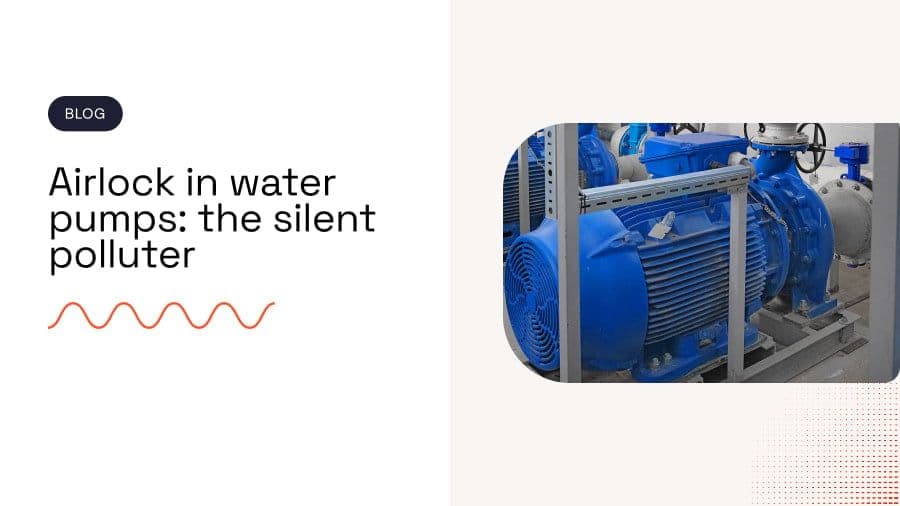
Airlock in water pumps: the silent polluter
Airlock in water pump systems is a common yet often overlooked challenge—especially for wastewater and sewage utilities managing remote, submerged, or unmanned assets.
Read more 
10 proven maintenance strategies for industrial equipment
In industries ranging from wastewater to manufacturing, energy, and infrastructure, every pump, motor, and system plays a crucial role in ensuring smooth operations.
Read more 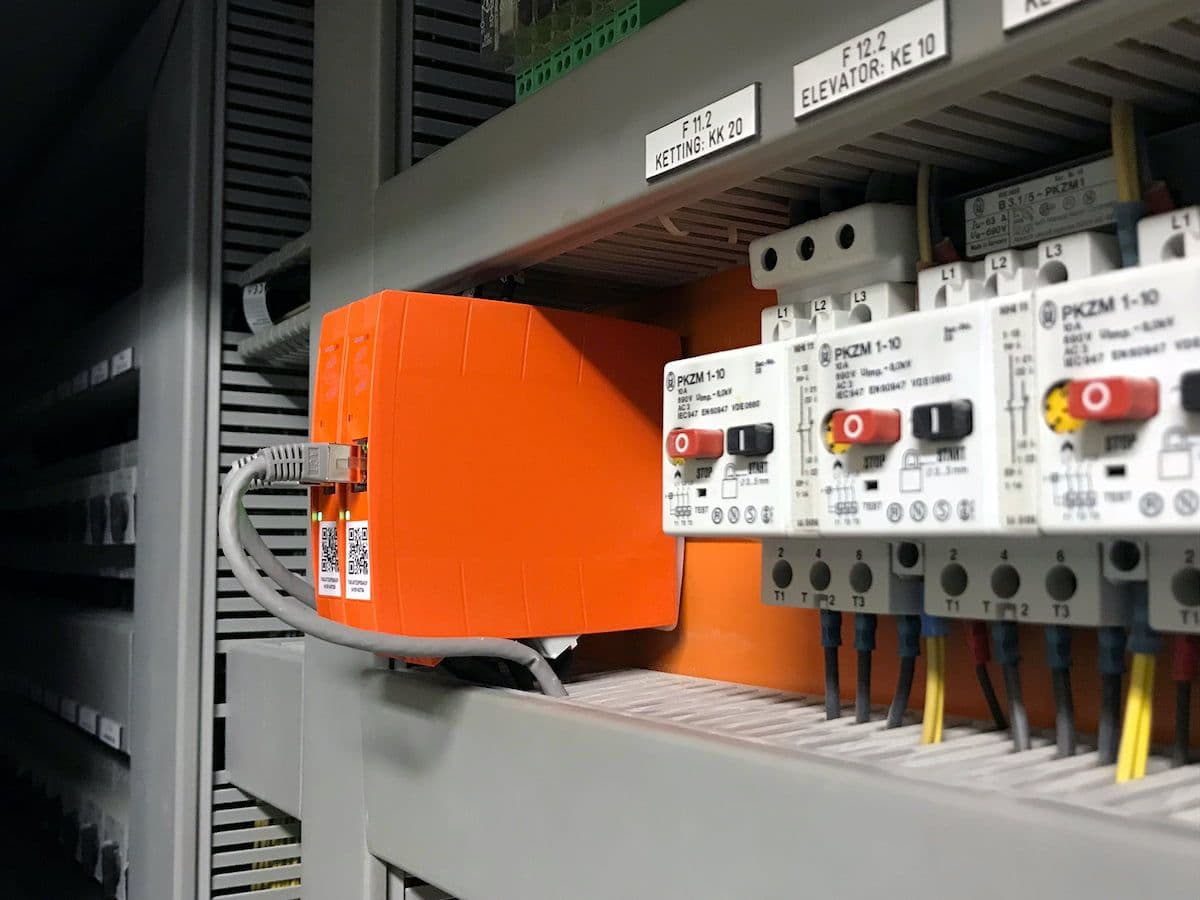
Choosing a remote pump monitoring system
Choose a pump monitoring system that helps your team decide what to check, how soon and why.
Read more 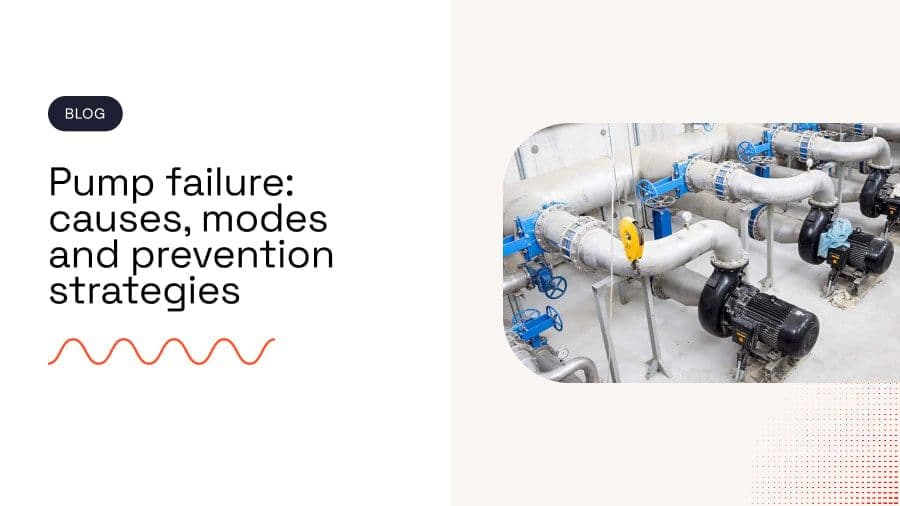
Pump failure: causes, modes and prevention strategies
For industries that rely on fluid movement—such as water treatment, oil and gas, agriculture, and manufacturing—pump failures are more than just an inconvenience.
Read more 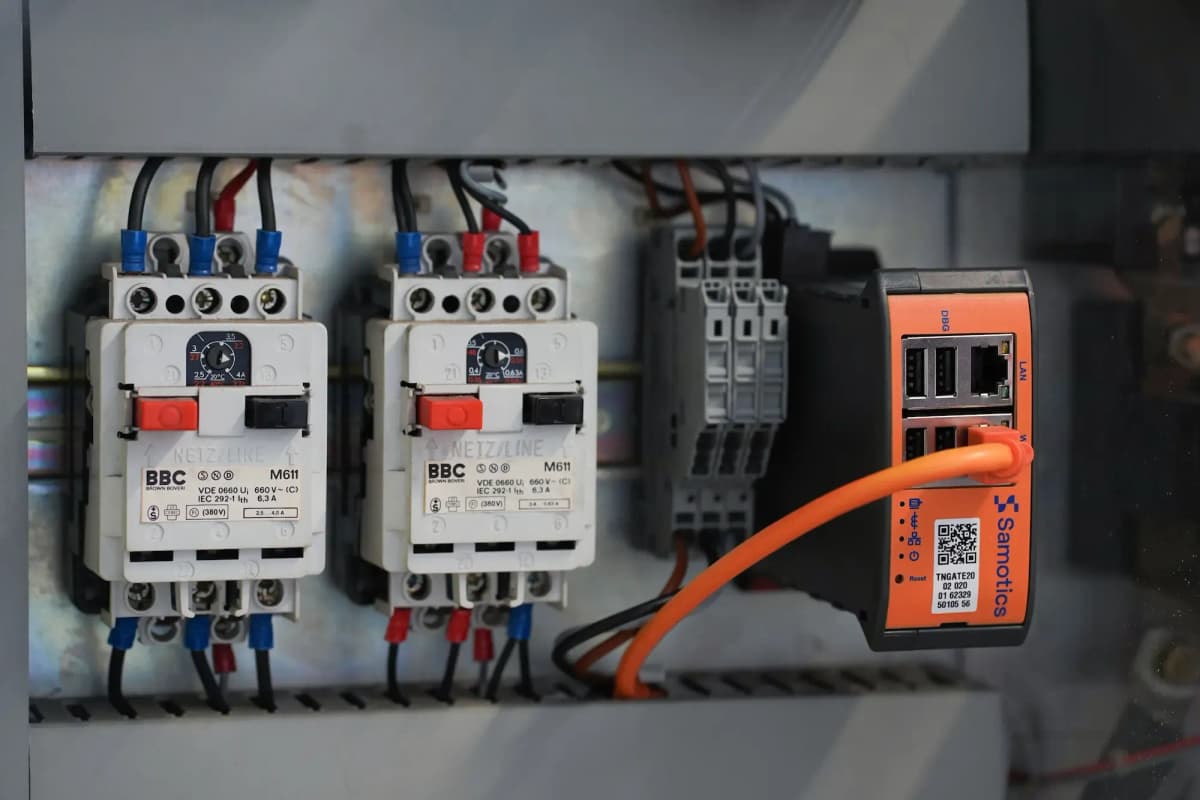
What is electrical signature analysis?
An illustrated guide to how electrical signature analysis works, what it can detect, and how findings support maintenance and energy decisions.
Read more 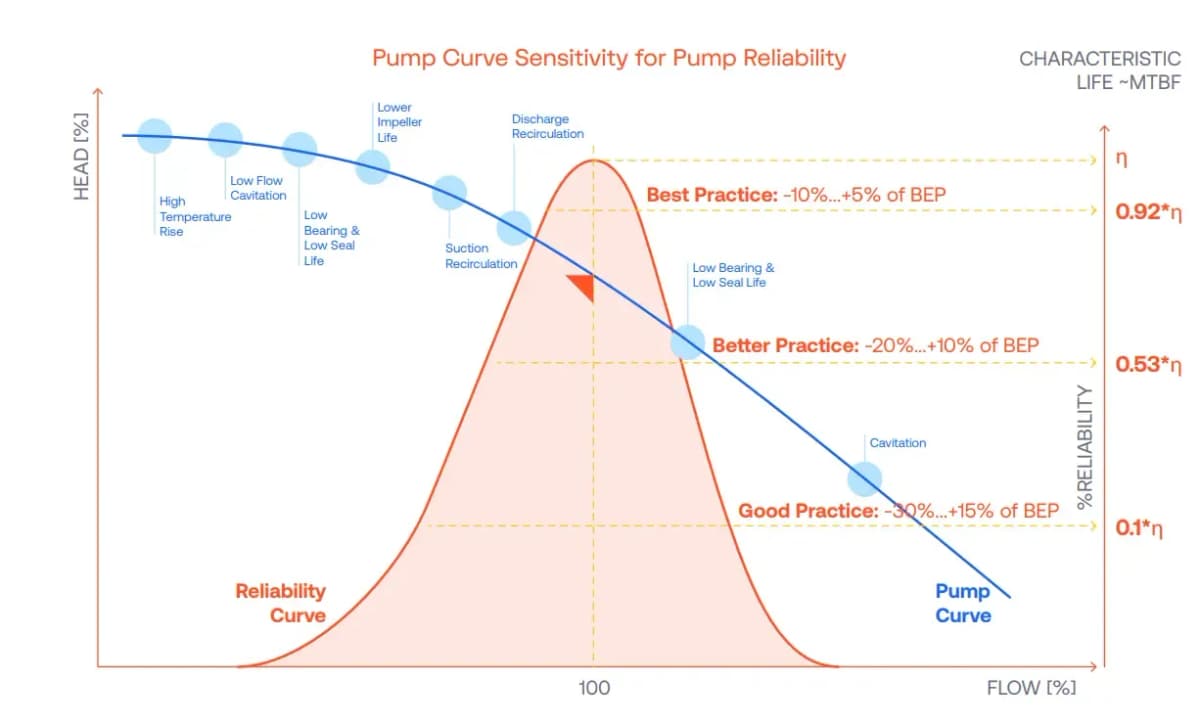
Understanding SAM4 pump performance curves
A pump curve relates flow to head at a given speed. Comparing the estimated operating point with the reference curve and best efficiency point helps engineers investigate inefficient operation.
Read more 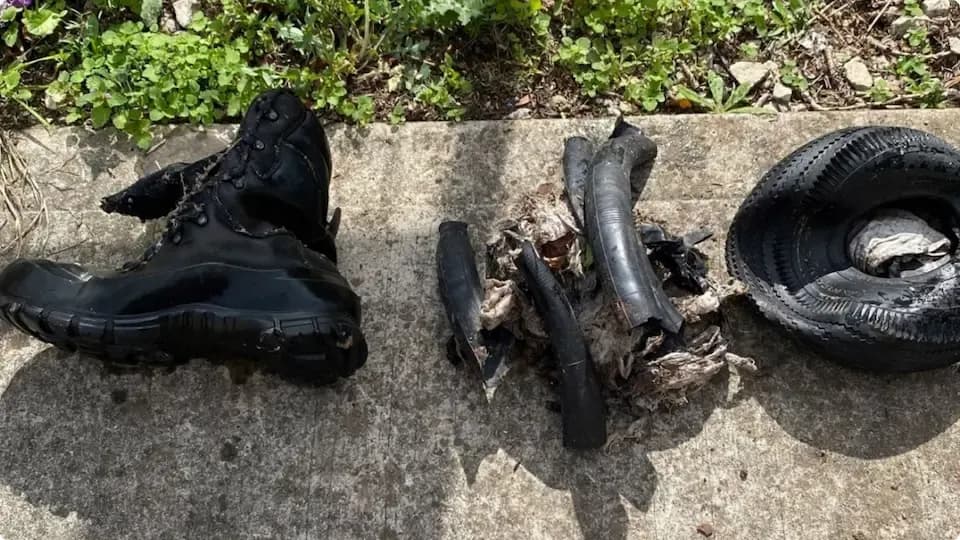
How SAM4 detects developing faults in industrial pumps
SAM4 performs AI-driven electrical signature analysis (ESA). ESA is based on the fact that subtle changes in a machine’s operation affect the connected motor’s magnetic field, whic.
Read more 
Smarter sewers: Detecting pumping station blockages with real-time asset health data
Blockages in sewage pumping stations are a prime root cause of pollution incidents. A recent analysis of combined sewer overflow events in England found that almost one in five ...
Read more 
Smarter sewers: Cut costs while reducing machine failure with proactive maintenance
Water utilities around the world are facing considerable challenges, such as aging infrastructure, extreme weather events and rapid population growth.
Read more