
Choose a pump monitoring system that helps your team decide what to check, how soon and why. Start with the pumps you run, the faults you need to find and the data you have. Those details matter more than a long feature list.
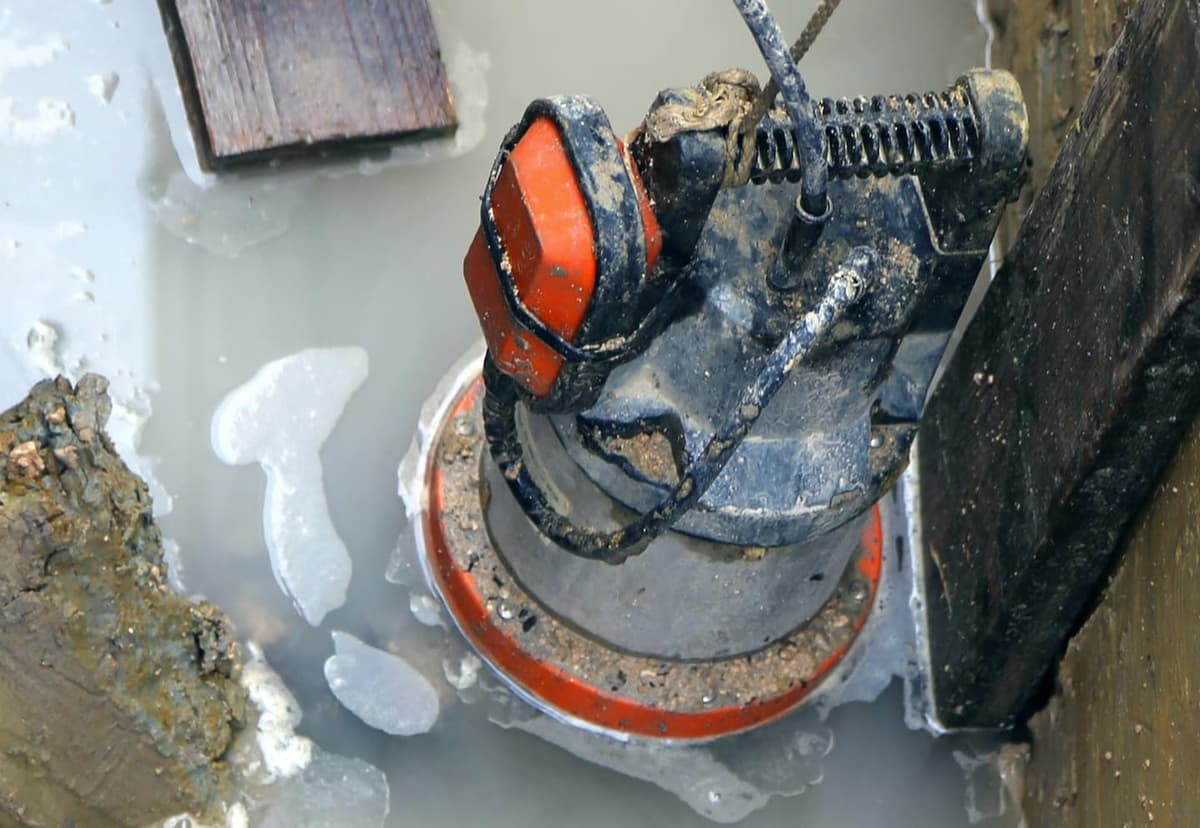
A submerged sewage pump may need to be lifted from a wet well before you can inspect it. A process pump may be easy to reach but have a seal or bearing that needs a specific test. Choose the system to suit the pump and the faults that matter at your site.
Start with the maintenance problem
List the pump and motor types, drive setup, run patterns and faults that recur. Note what happens if a fault is missed: loss of service, a line stop, a spill or damage to other parts.
Record the data you already collect. Flow, pressure, level, vibration, temperature and power data answer different questions. Find the gaps before adding a new system.
For wastewater applications, see the submerged sewage pump monitoring page for the faults, access needs and limits to assess.
Compare what each method measures
Vibration monitoring measures how the pump or motor vibrates. It can help find bearing wear, poor alignment and other faults. Sensor position and access matter, especially on pumps that are submerged or enclosed.
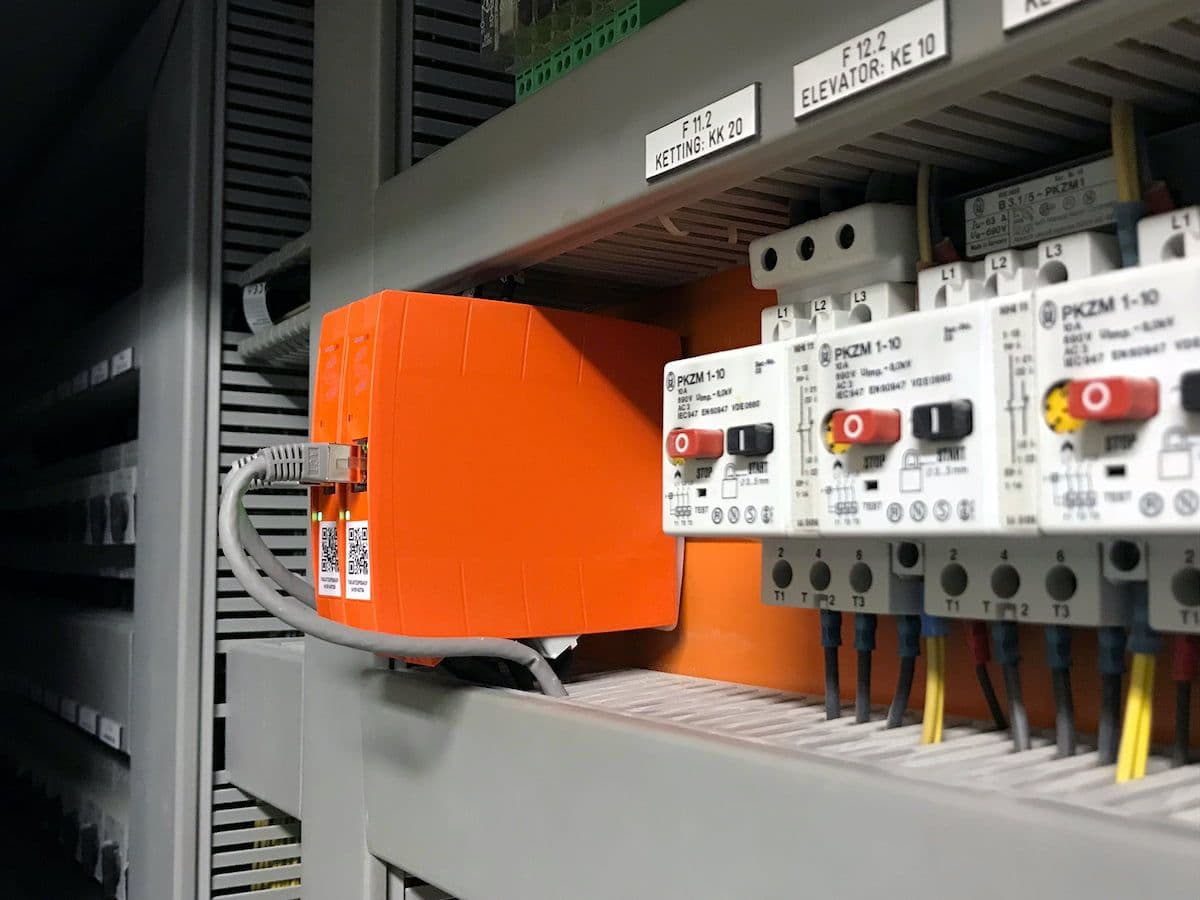
Electrical Signature Analysis (ESA) uses the motor’s current and voltage. SAM4 measures these at the motor control cabinet, so sensors do not need to be on the pump. Faults and changes in motor load can leave patterns in the signal. What the system can detect depends on the pump, motor, drive, load and fault.
Process data shows how the pumping system is running. Flow, pressure and level data can help your team make sense of an alert or a change in how a pump runs.
A cloud link or an IoT label tells you how data is shared. It does not tell you which faults the system detects. Check the sensors, the analysis and the proof as well as the data link.
Ask for proof from pumps like yours
Ask the supplier to show a fault found on a pump like yours. Check what changed in the data, how the fault was checked and what the site team did next.
Useful questions include:
- Which faults were tested, and which were outside the test?
- How many confirmed faults support the result?
- How were missed faults and false alerts counted?
- How much warning did the team receive in the examples?
- When does the system find it harder to detect a fault?
The wastewater pump clogging case shows one example. Compare the pump and the work done with what you need at your site.
Check installation and ongoing work
Check where the hardware goes, who fits it, what needs to be switched off and how data leaves the site. Include site permits, cabinet space, the data link and work needed to keep the hardware running.
Sensorless pump monitoring means there are no sensors mounted on the pump. SAM4 still uses current and voltage sensors at the cabinet. See the installation approach and the sensorless pump monitoring guide for the site needs and limits.
Decide how your team will use an alert
Ask to see an alert with its data, likely fault, urgency and proposed next step. Check who reviews unclear findings and who can help your team read them.
Check how alerts will reach the people who look after the pumps. If you use a maintenance management system, check the asset IDs, data fields and work needed to connect it. Email may be enough for a small site. A large fleet may need a clear work-order process.
Keep the checks and safety systems needed for faults the new system cannot detect.
Assess pump performance separately
Condition monitoring looks for signs of faults. Performance monitoring helps your team assess how a pump runs and where it may waste energy.
For suitable pumps, SAM4 uses electrical data and the pump’s reference curve to estimate its operating point. An estimate of head or flow is different from a reading taken with a flow meter or pressure sensor. Read how SAM4 uses pump performance curves and check the source data and limits before using the estimate to plan a change.
Agree what the first trial must show
Choose a group of pumps that reflects your fleet. Agree what the trial must show before you start. Check data quality, which faults can be found, how useful the alerts are, the work to fit the system and the support your team gets.
Agree how you will check findings against site visits and repair records. Review the results before you add more pumps. The trial should show where the system helps and where you still need other ways to check for faults.