
Case study
Condition monitoring for wastewater pumps: a case study
Read how SAM4 alerted this water industry customer to debris that had started to block this wastewater collection pump's intake.
Failure mode
Debris blocking this municipal water pump’s intake caused it to start cavitating.
How SAM4 helped
SAM4 flagged a sudden increase in the noise floor around the pump’s supply frequency, which continued over the next few days. We contacted the customer to let them know something appeared to have thrown the pump into sustained cavitation; based on earlier detections, we suspected the intake might be blocked. Ten days later the customer removed debris that was blocking the pump’s intake, and the pump returned to normal operation.
Outcome
“This is one of many such situations SAM4 has alerted us to, which is always a real help in our ability to take timely action.”

The pump’s current spectrum began exhibiting a rise in intensity around the supply frequency. Healthy operation is in black, cavitating in blue.
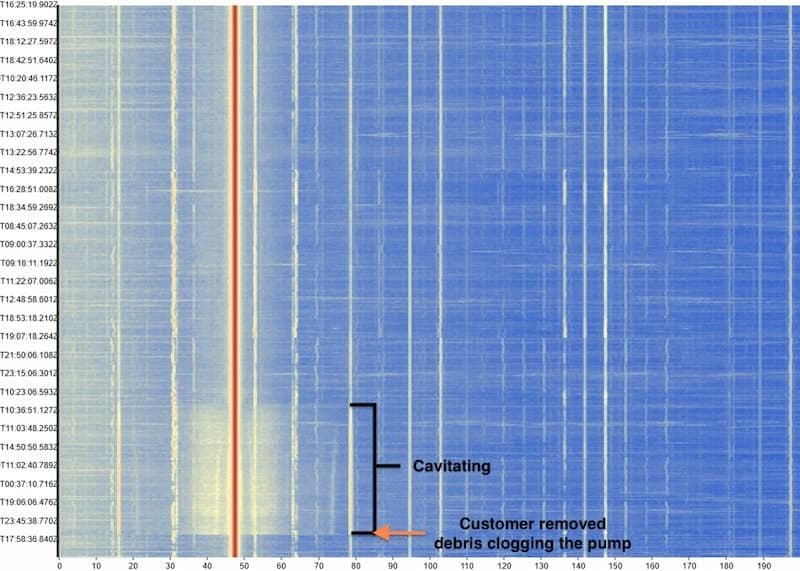
A heat map showing the intensity over time across the current frequency spectrum (blue is low, red is high). Time runs down the vertical axis from oldest to newest. The rise in noise floor intensity around the supply frequency (at the vertical red line) reveals when the pump was cavitating. The orange arrow marks when the customer removed debris that was blocking the pump, after which its operation returned to normal.
See SAM4 in action
Related case studies
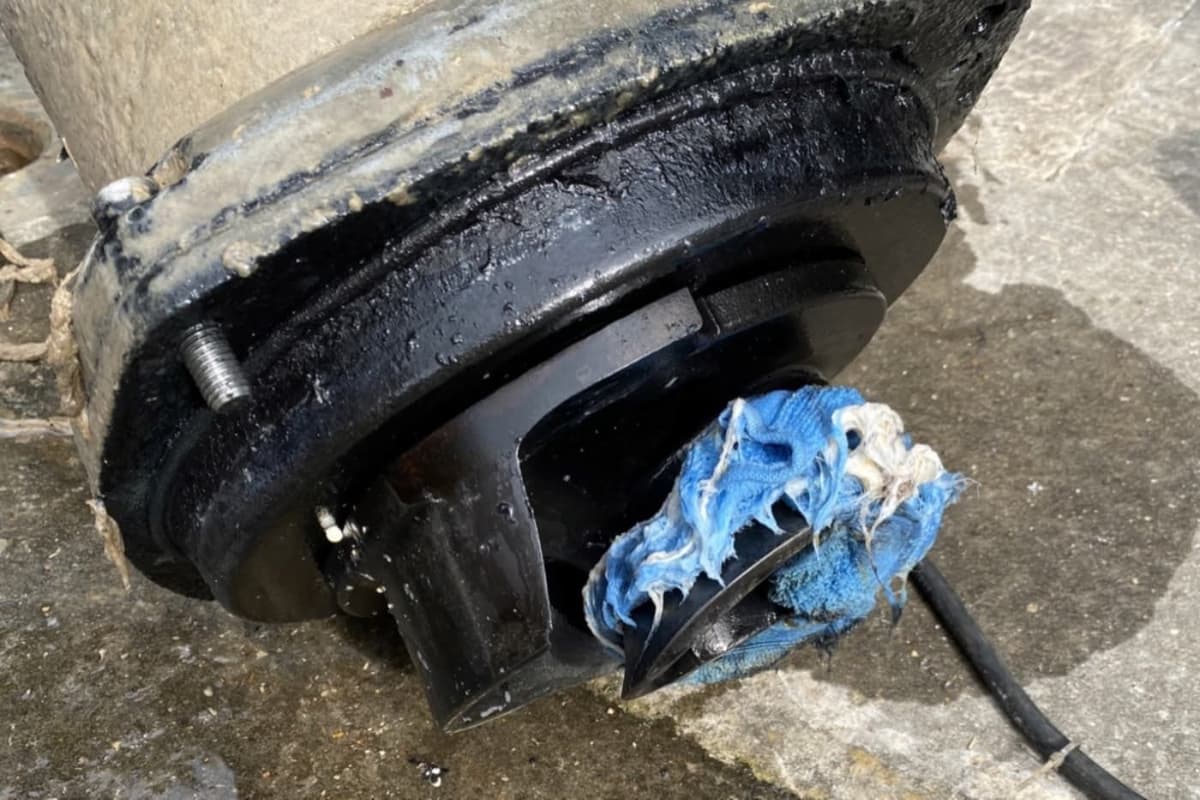
Yorkshire Water clears two blocked sewage pumps
When a second pump began to block, Yorkshire Water sent a team to clear both pumps. The client verified €190,000 in estimated avoided costs.

Early alerts on a degrading oxidation ditch rotor prevent two pollution events and up to €900k in costs
Twice, SAM4 Health provided early warning of gearbox degradation though the vibration system had not yet alerted the customer to a problem.
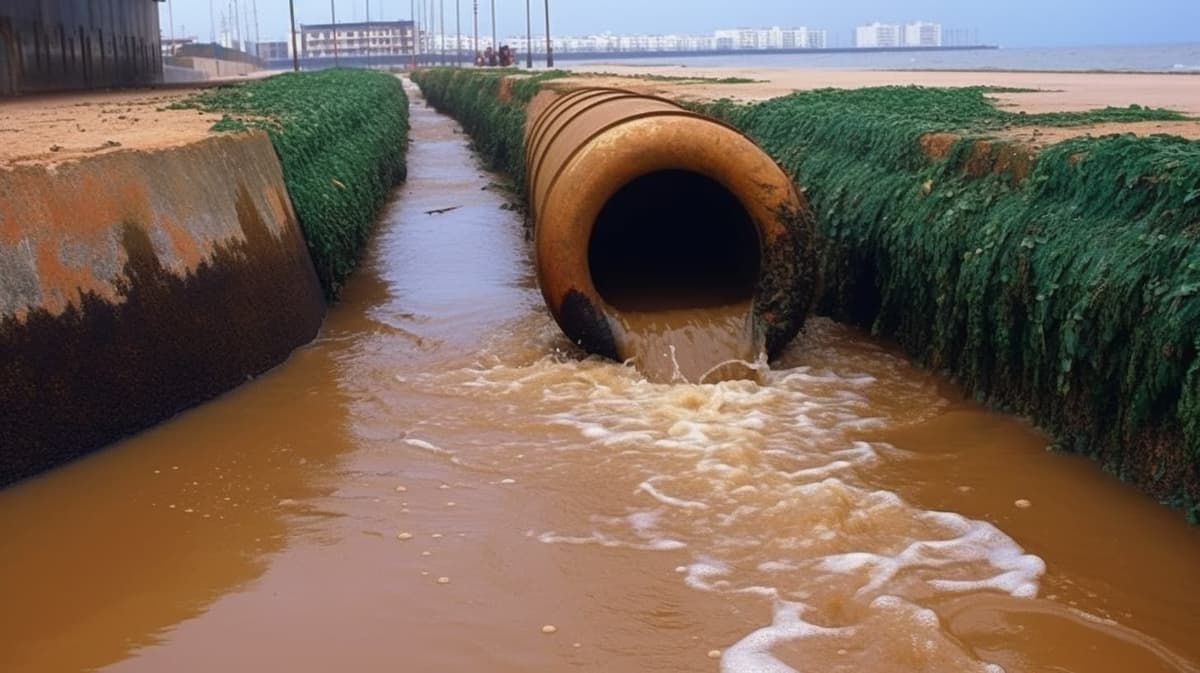
Alert prevents pollution incident and saves €100k
The customer's own vibration system saw nothing. SAM4 picked up the developing fault on the sewage pump and the repair was made before it failed.
Preventing downtime on borehole pumps
Borehole pumps sit far underground, out of reach of vibration sensors. SAM4 reads their condition from the motor control cabinet at the surface.