
About Samotics
Engineering at Samotics
Samotics was founded in 2015 to help industrial teams monitor motor-driven equipment that is difficult to access. Our engineers use current and voltage measurements to assess equipment condition, performance and energy use.
Building ESA for industrial use
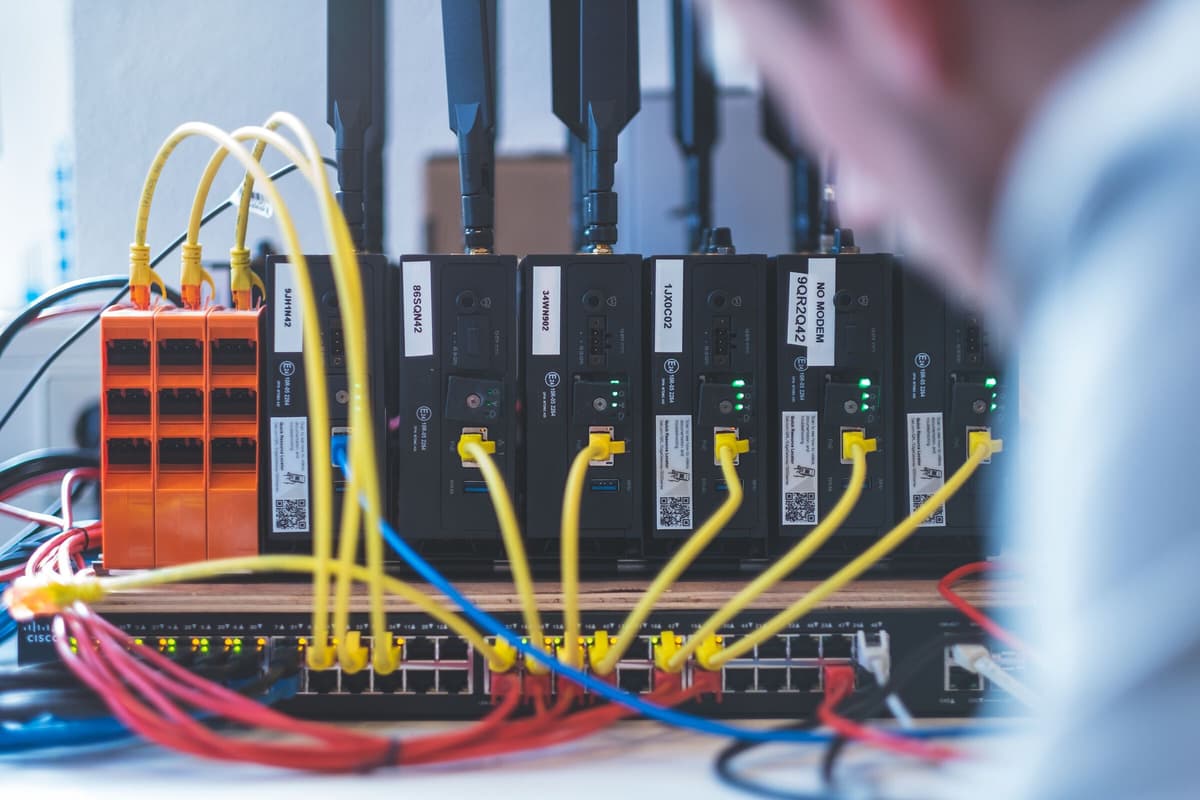
Electrical Signature Analysis was established long before Samotics. The hard part was turning it into a production system: noisy cabinets, variable loads, VFDs, remote assets, incomplete asset data, and maintenance teams that need clear recommendations instead of more plots. Samotics was built to make ESA work in real industrial conditions.
The signal
Motor current and voltage contain measurable evidence of electrical, mechanical, and process faults. The physics was established. The missing piece was a system that could use it across real industrial fleets.
The production system
We built the acquisition hardware, signal conditioning, fault models, baselining, validation workflow, and deployment stack needed to run ESA continuously in noisy industrial environments.
The infrastructure
SAM4 now monitors 7,000+ assets across water, chemicals, oil and gas, metals, airports, and manufacturing. ABB embedded Samotics ESA into its ACS880 drive portfolio. Cabinet-based monitoring is now industrial infrastructure.
The constraint we chose to solve
Most condition monitoring depends on getting close to the machine. That leaves a structural blind spot: assets that are submerged, enclosed, hazardous, remote, or too numerous to instrument one by one.
Read the full Monitoring Blind Spot thesis →Built for the conditions of an operating plant.
Established ESA science becomes useful when the measurement, interpretation and maintenance workflow work together. Our engineering work connects all three.
Reliable measurements
Cabinet hardware and signal processing must handle variable loads, drive harmonics and electrical noise. Asset fit and representative operating data matter before a diagnosis can be useful.
Interpretation grounded in field experience
Fault models, asset baselines and engineering review connect a signal to a likely problem. Confirmed faults, customer feedback and inspection findings help us evaluate and improve the analysis.
A place in the maintenance routine
A finding needs evidence, urgency and a proposed response. Deployment support and workflow integration help it reach the people who assess the recommendation and carry out the work.
Experience across operating fleets.
SAM4 is deployed across water, chemicals, oil and gas, metals, airports and manufacturing. The relevant proof is the equipment monitored, the finding made and the customer’s response.
Explore the customer evidence →
Fit matters. Detection confidence varies by asset type, operating regime and failure mode. We scope each fleet before rollout.
The cabinet is becoming a monitoring point.
SAM4 sits where electrical infrastructure, asset reliability, and operational data meet. That makes cabinet-based monitoring relevant not only to maintenance teams, but also to automation partners, system integrators, and industrial infrastructure providers.
ABB Motion
ABB Motion embedded Samotics ESA into its ACS880 drive portfolio. For compatible drives, the current and voltage signal can already be measured by the drive; SAM4 adds the analytics, validation, and maintenance workflow layer.
Why it mattersCabinet-based monitoring can become part of the drive and electrical infrastructure customers already use.
European Investment Bank
The European Investment Bank supported Samotics' expansion because cabinet-based monitoring can improve reliability and energy efficiency across critical industrial assets.
Partnerships matter because this category does not live only in a dashboard. It has to fit into the electrical, maintenance, and data infrastructure of industrial sites.
Samotics leadership team
Built by engineers and operators with deep expertise in electrical systems, AI, and industrial reliability.
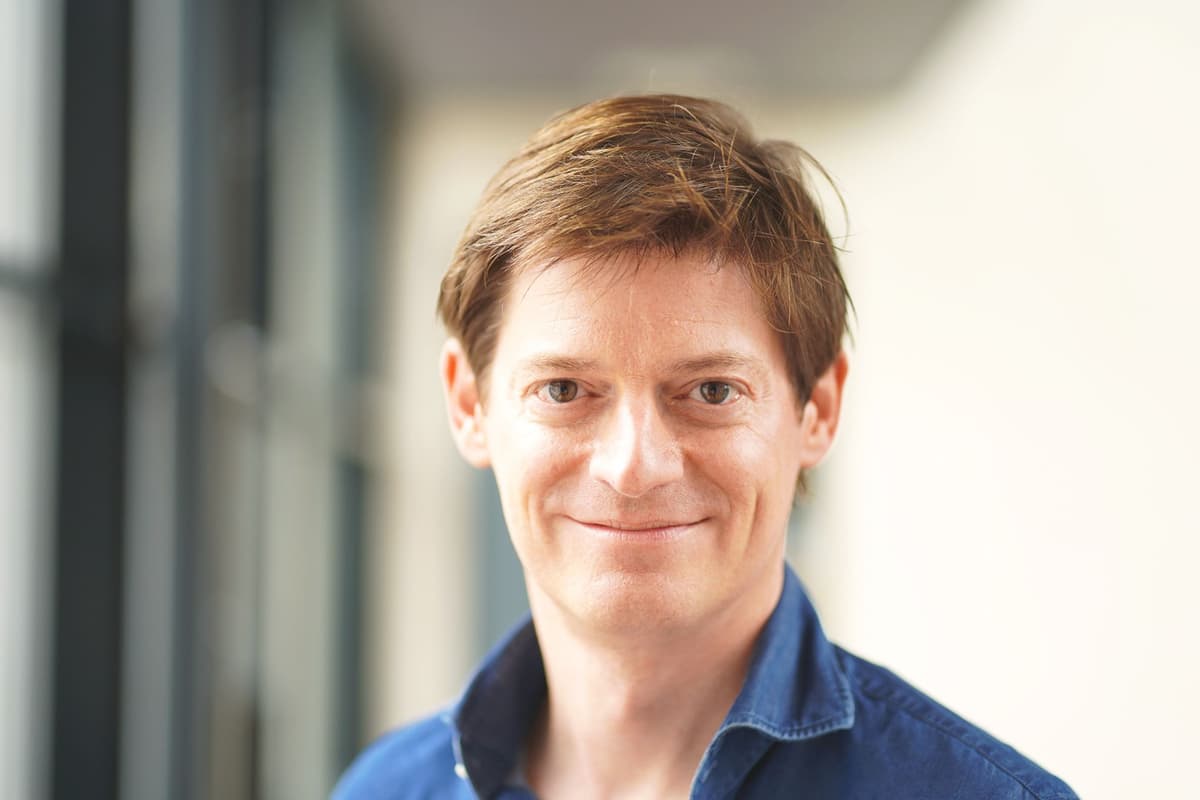
Jasper Hoogeweegen
Leads strategy and investor relations. Former CFO, CCO, and CSO at Coolblue. Started in strategy consulting at Bain.
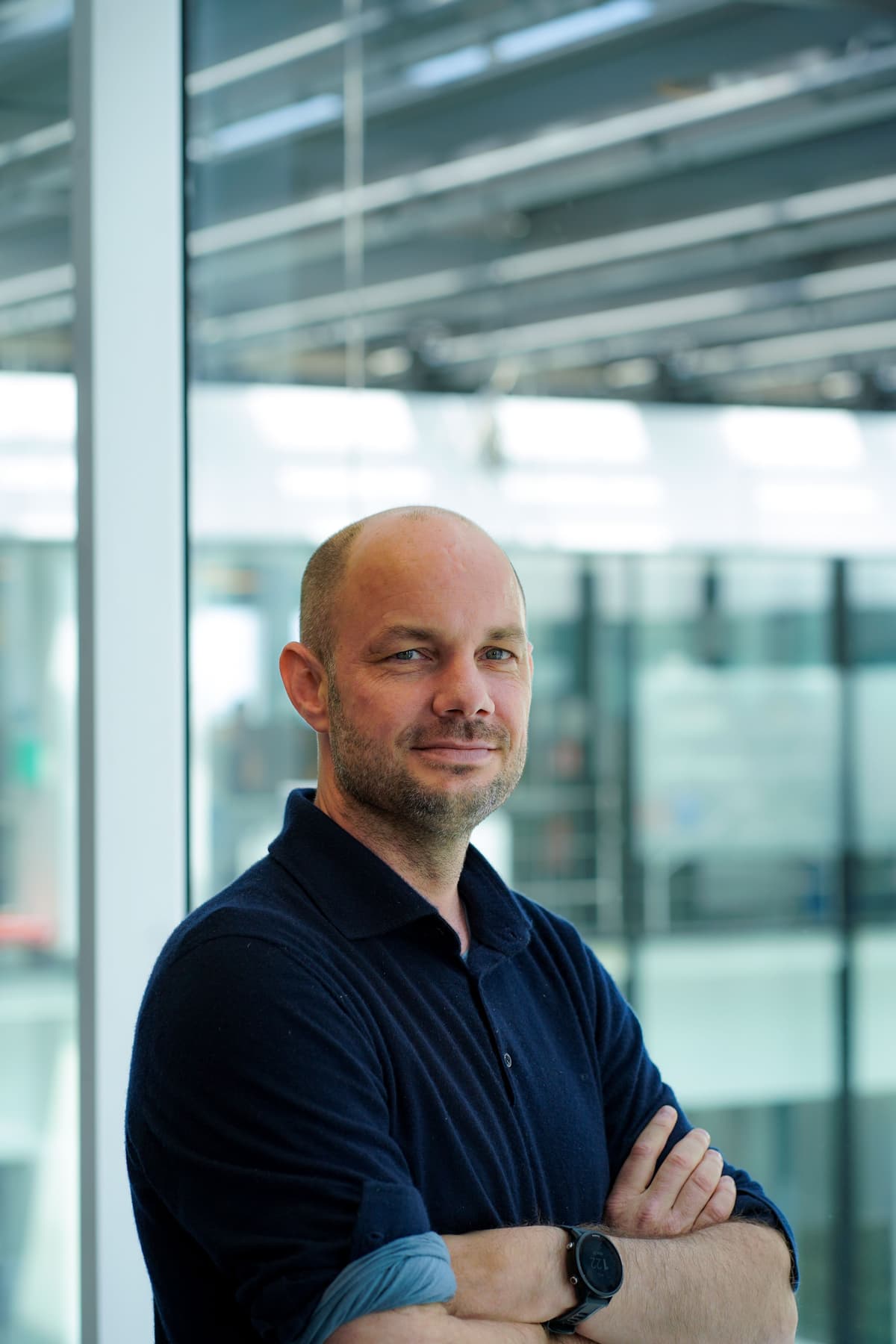
Simon Jagers
Leads commercial growth and strategic partnerships. Former enterprise sales leadership at Dell, Oracle, and EMC.

Gerben Gooijers
Built the ESA detection engine and SAM4 hardware platform from scratch. Former Partner and CIO at Optiver.

Erik Gaarenstroom
Runs operations, delivery, and customer success across five continents. Former consultant at Bain. INSEAD MBA.

Hans van den Heuvel
Manages finance, governance, and investor relations. Former Transaction Services at KPMG.

Thijs Bootsma
Leads product strategy, roadmap, and the SAM4 platform experience. Former consultant at Bain.
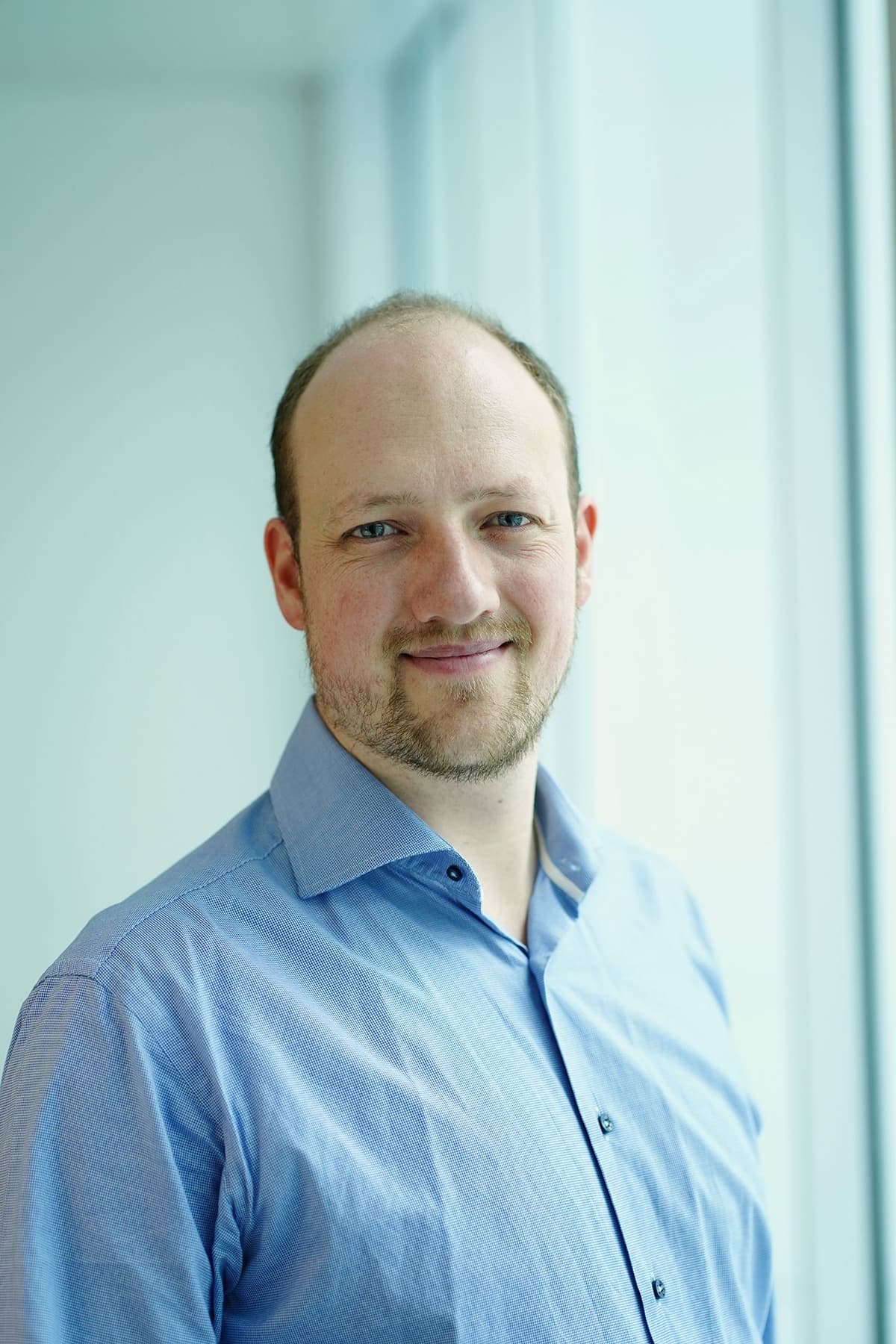
Daniel Springer
Leads commercial development at Samotics. Formerly at Coolblue and Bain.

Bart Römgens
Leads engineering at Samotics. Formerly at Alten, with a background in aerospace engineering.
Advisors

Jeroen van der Veer
Former CEO of Royal Dutch Shell. Former Chairman of Philips. Strategic counsel on energy sector positioning and enterprise governance.
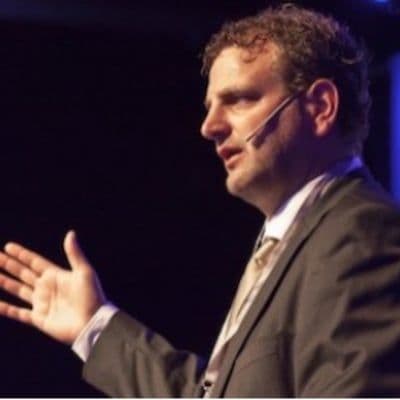
Dr. Johan Paulides
CEO of AE-Group. Former researcher in electric motor technology at Eindhoven University of Technology. Technical advisory on ESA signal physics and fault detection methodology.
How we work when asset decisions matter.
We work with industrial teams that need clear evidence, honest boundaries and practical recommendations. Samotics contributes the analysis and agreed support. The customer brings the operating context and decides how to respond.
We focus on consequential assets
SAM4 is built for assets where failure creates real cost: downtime, safety risk, environmental impact, energy waste, or high maintenance burden.
If the asset is not a strong fit, or the expected value is too low, we will say so.
We say what the data supports
Every recommendation should make clear what we detected, what evidence supports it, how confident we are, and what action we recommend.
We publish boundaries, methodology notes, and asset-specific detection data because trust depends on precision.
We stay close after deployment
Condition monitoring only creates value when it changes maintenance decisions. Our reliability engineers support onboarding, review ambiguous findings, explain alerts, and help your team close the loop after inspection or repair.
Our reliability engineers help your team interpret the findings and use them when planning maintenance.
Our ambition: electrical insight in everyday engineering.
We want reliable insight from electrical signals to become a routine part of maintaining and operating motor-driven equipment. That means helping teams investigate faults, understand performance and identify energy waste through the tools and workflows they already use.
SAM4’s condition monitoring provides the foundation. The same measurements also support energy and operating analysis. Our direction is to make that evidence easier to examine, discuss and use in customer decisions.
We are developing this capability with customers and equipment partners. Supported drive integration is one route; cabinet-installed hardware continues to serve assets across mixed fleets.
Three ways to work with Samotics.
Evaluate SAM4 for your assets. Join the team building it. Partner with us to bring cabinet-based monitoring into industrial infrastructure.
Reliability or operations team
Review where SAM4 fits your fleet. In 30 minutes, we look at your asset types, access constraints, failure history, and maintenance priorities to identify where cabinet-based monitoring is likely to create value.
Book an asset-fit review →Engineer, data scientist, or operator
Help build the monitoring layer for assets that are hard to reach. We hire across signal processing, machine learning, electrical engineering, reliability, product, and customer operations.
View open roles →OEM, system integrator, or service provider
Add cabinet-based condition, energy, and operational intelligence to your customer offering. We support technical enablement, co-selling, integrations, and deployment models.
Discuss partnership →