
Water & Wastewater
Pump monitoring for water and wastewater
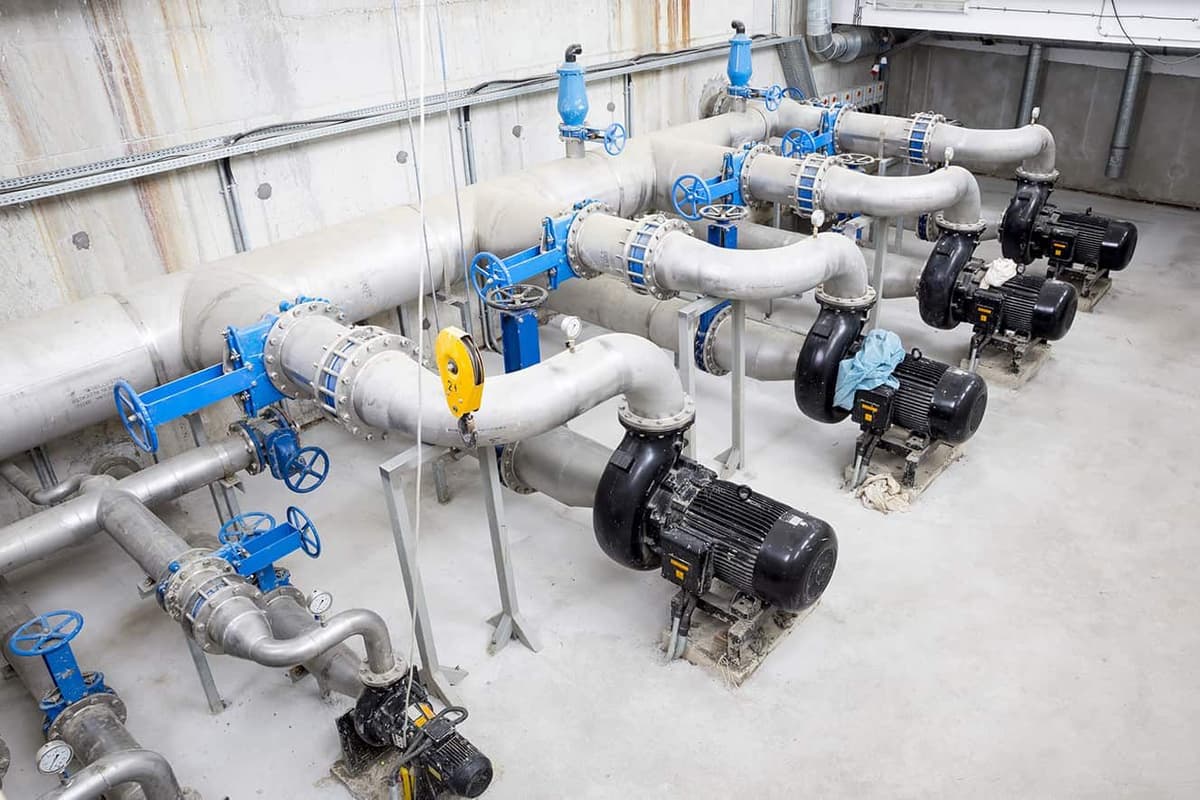
Monitor pump condition from the motor control cabinet. SAM4 helps water teams investigate ragging, blockage, electrical faults and changing load patterns across pumping stations and treatment works, without mounting sensors in the wet well.
Trusted by leaders in water and wastewater




Pump faults can lead to pollution incidents
Utilities operate thousands of pumping stations across distributed networks. Most run unmonitored between scheduled inspection rounds. When failure hits, the regulatory clock starts immediately.
Sewage pump blockages
Soft blockages degrade pump performance long before a trip alarm fires. Rags and fats, oils and grease (FOG) accumulate on the impeller, increasing energy draw and reducing flow. If both pumps at a dual-pump station degrade together, pollution risk escalates fast. 280,000 to 300,000 sewer blockages occur across England and Wales each year, costing utilities over £100m.
Submerged asset access
If the pump is in the wet well, routine condition data is usually missing until the asset is lifted or the site alarms. Pulling a submersible pump for inspection costs £650 to £1,200 and takes the asset offline for 2 to 4 hours. For single-pump stations, that means zero capacity until it is back in.
A board-level risk now
The Water Special Measures regime increases senior accountability, enforcement pressure, and transparency around pollution reduction plans. Ofwat can impose penalties of up to 10% of relevant turnover, depending on the breach and enforcement context. Every water and sewerage company must now publish an annual Pollution Incident Reduction Plan naming the assets driving risk. These costs are increasingly visible to boards, regulators, customers, and investors.
Energy waste from degraded pumps
Pumping accounts for the bulk of a clean-water utility's energy use: around 80% at treatment plants and 90–99% across a whole water system (US EPA; Congressional Research Service). As impellers erode, efficiency drops 5 to 15% per 5mm of wear-ring clearance increase. Most utilities have no visibility into per-pump energy performance until the quarterly bill arrives.
Dispatch waste on distributed networks
When operators travel to a site without knowing whether the issue is electrical, mechanical, or blockage-related, response slows and cost rises. Some stations require a two-hour drive. Emergency repairs cost 8 to 10 times more than planned work. Without remote diagnostics telling you what is wrong, every alarm is a blind dispatch with the wrong crew and the wrong parts.
Storm overflow and pollution risk
Monitor pumps from the motor control cabinet
Asset-mounted vibration is usually impractical on submerged pumps. Even when vibration data is available, submerged operation and fluid coupling can make signal interpretation harder. SAM4 reads motor current at the control cabinet to bypass the access problem.
No sensors on the asset
SAM4 monitors from the motor control cabinet. No equipment in wet wells, boreholes, or confined spaces. No pull-outs for sensor installation. When the MCC is outside the classified area, SAM4 avoids asset-mounted equipment in the wet well or hazardous zone. Site permitting still follows local procedure.
Cover many AC-motor-driven assets in your network
One technology covers submersible pumps, borehole pumps, booster pumps, aeration blowers, and oxidation ditch rotors. Many AC-motor-driven assets in your network are candidates, subject to asset-fit review.
Detects what vibration misses on submerged assets
ESA can detect cavitation signatures, ragging and blockage patterns, efficiency loss, sustained load anomalies, and electrical stator faults where these create measurable changes in current or voltage. Mechanical seal degradation is not a primary detection class unless it creates a detectable load or electrical effect. On submerged pumps, vibration is often impractical or incomplete because there is no reliable mounting point on the operating asset.
Dispatch the right crew first time
SAM4 alerts include fault classification and severity. The control room sees what is wrong before sending anyone. That means the right person, the right parts, and one trip instead of three.
“Critical in our monitoring of hard to reach assets such as submersible pumps.”
Where the monitoring gap costs most
These asset types create the highest monitoring gaps in water and wastewater. SAM4 monitors them from the motor control cabinet. See all monitored assets
Submerged Sewage Pumps
Submerged wastewater pumps in pumping stations and sewage collection networks.
Archimedes screws
Open and enclosed screw pumps in water treatment.
Pumps
Centrifugal pumps in water, chemicals, oil & gas, and process industries.
Agitators & mixers
Reactor agitators, tank mixers, and blenders.
Rising mains
Sewage rising mains (force mains). SAM4 detects bursts from the pumps' electrical signature at the motor control cabinet.
Water case studies
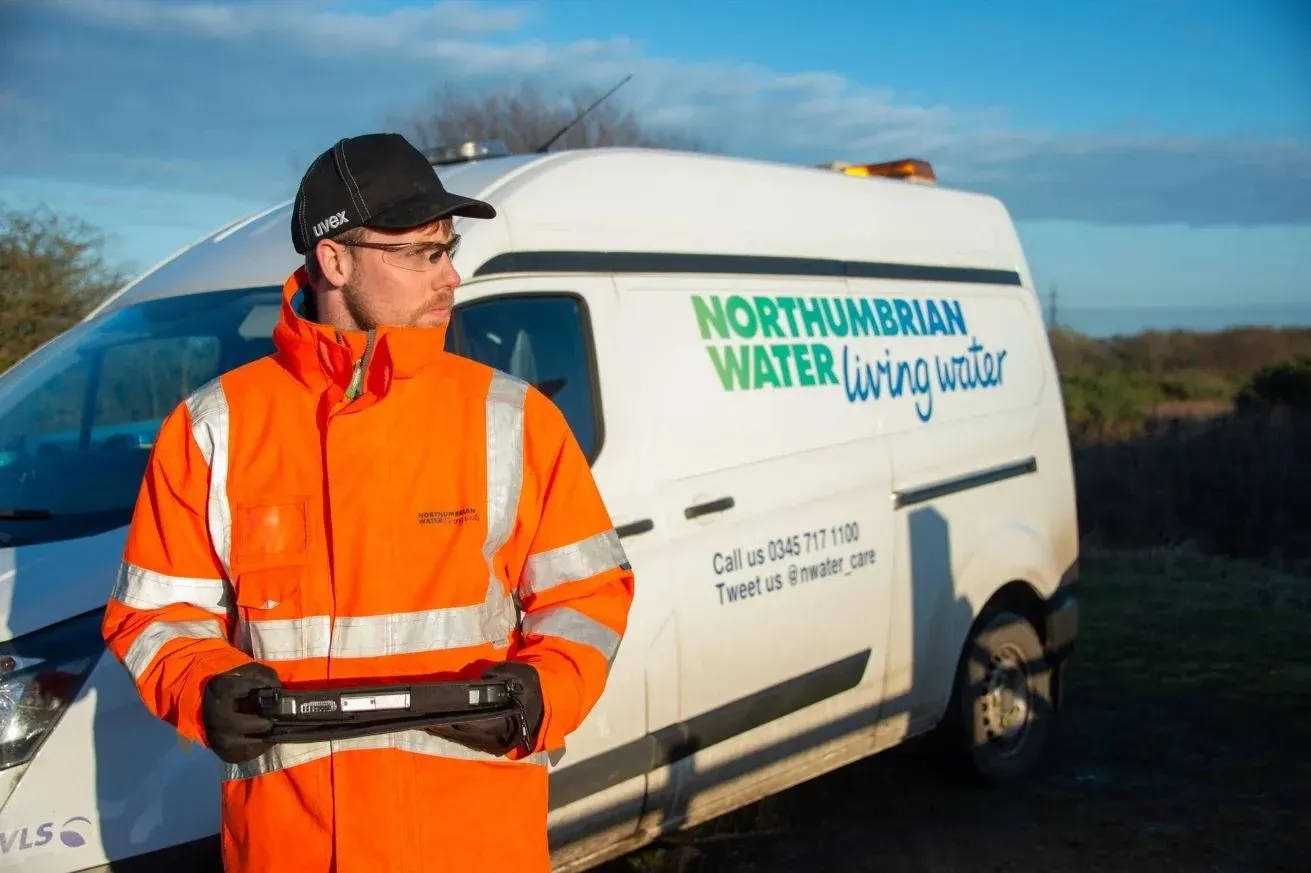
Manganese fouling early detection
A borehole pump at Northumbrian Water was quietly losing performance while its drive worked harder to hide it. SAM4 caught it early, and the pump was repaired instead of replaced.
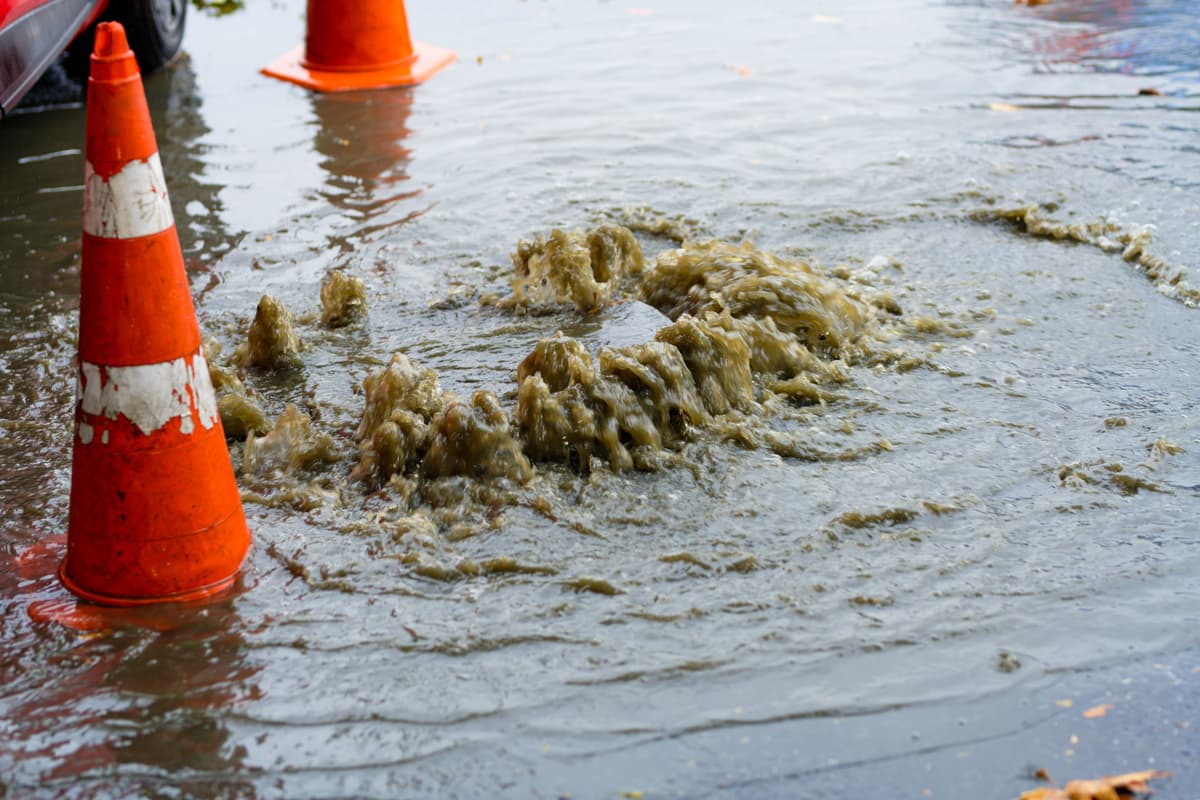
Detecting a burst rising main in Southern Water’s wastewater network
SAM4 flagged a burst rising main from the pumps' electrical signature, red alert at 01:41, main isolated within 20 hours. See how early detection works.
Southern Water responds to airlocks at Vicarage Road
An airlock alert led Southern Water to reset a tripped pump at Vicarage Road. Across three incidents, the client verified £738,000 in estimated avoided costs.
Show more (16)Show fewer
How Yorkshire Water saved £390k in potential fines
Three separate pollution events avoided through early alerts on sewage pumps, each caught in time for the utility to act before discharge.
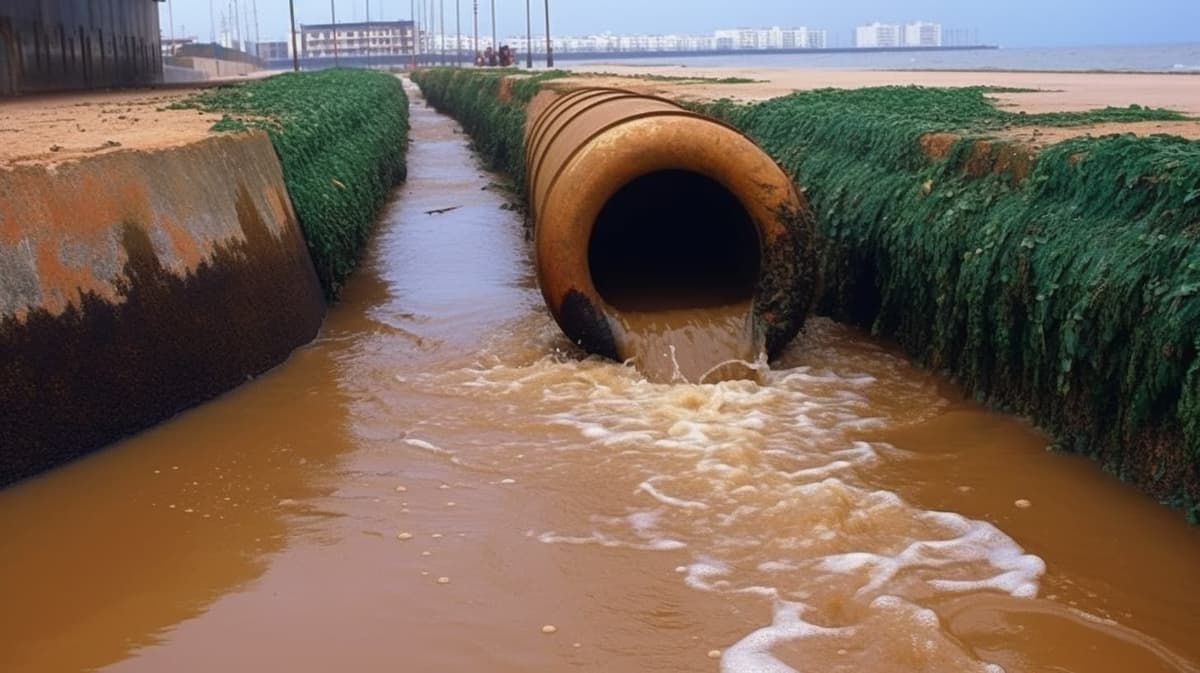
Alert prevents pollution incident and saves €100k
The customer's own vibration system saw nothing. SAM4 picked up the developing fault on the sewage pump and the repair was made before it failed.

Samotics' clogging detection technology identifies a blockage outside of the pump
The load signature pointed away from the pump itself. The blockage sat outside it, and the operator cleared it before high flow made it a pollution risk.

How Vitens increased operational efficiency by 7% through real-time asset measurements
Three booster pumps at the largest water utility in the Netherlands had lost 10% efficiency. Real-time measurement showed exactly where it had gone.
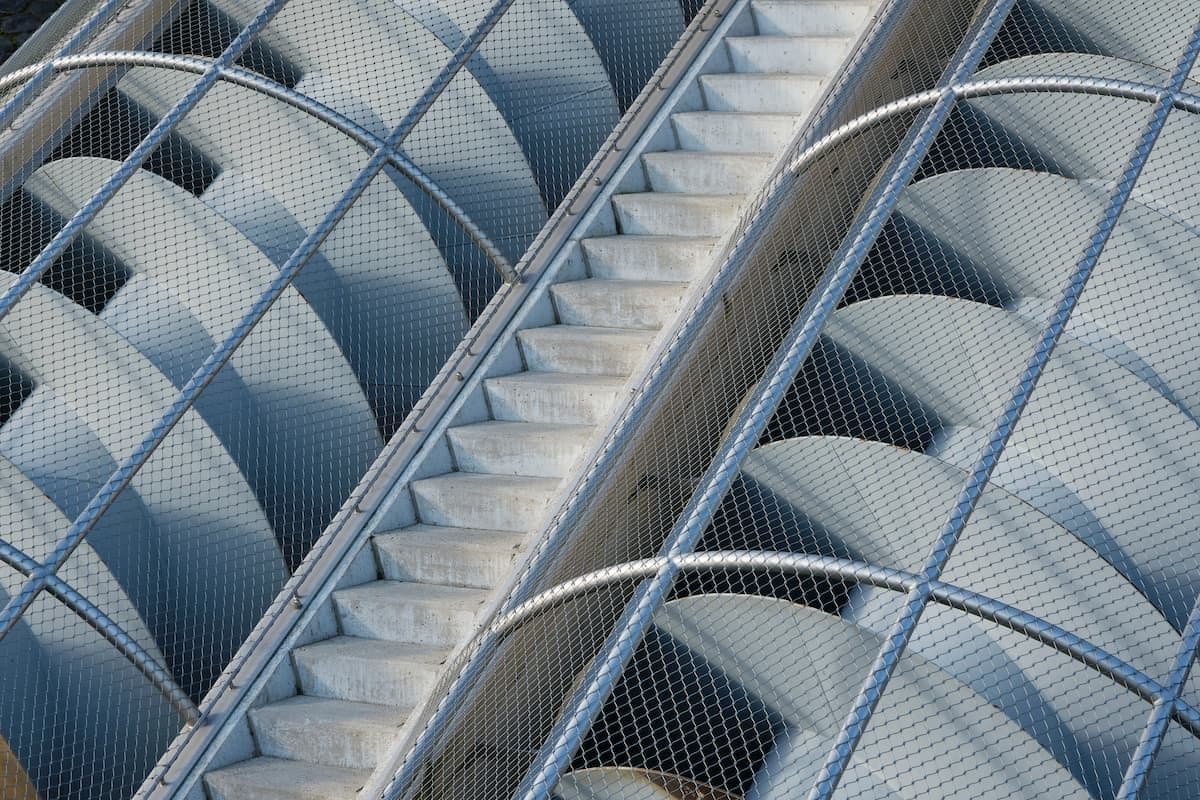
Wastewater inlet station energy cost reduced by €42k per year
Two screw pumps were running at under a third of nominal power. SAM4 Energy showed a single pump could carry the flow for most of the day.
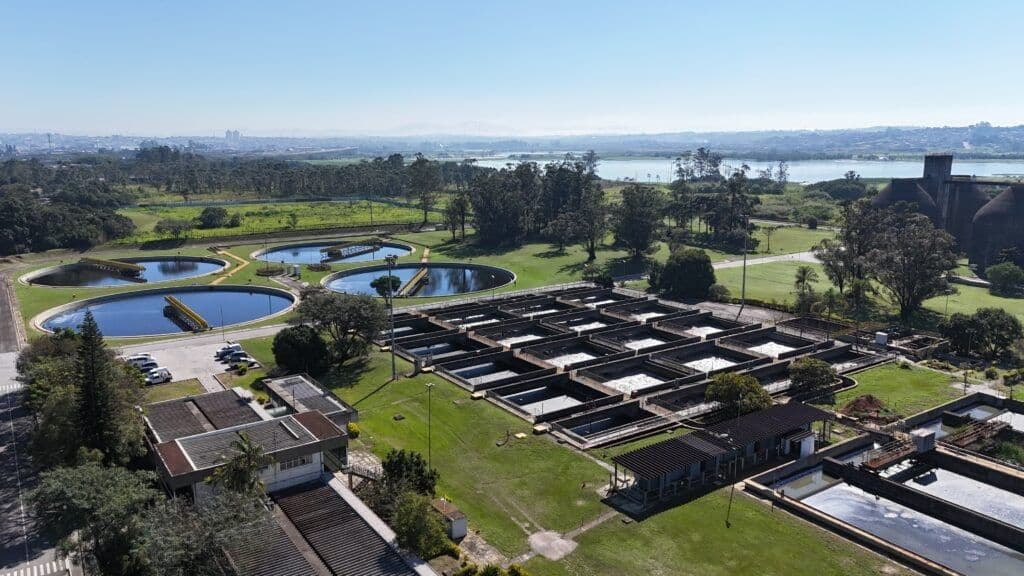
Improving submersible pump efficiency at Sabesp
SAM4 measured how far the submersible pumps had drifted from their design efficiency, showing the operator where energy was being lost.
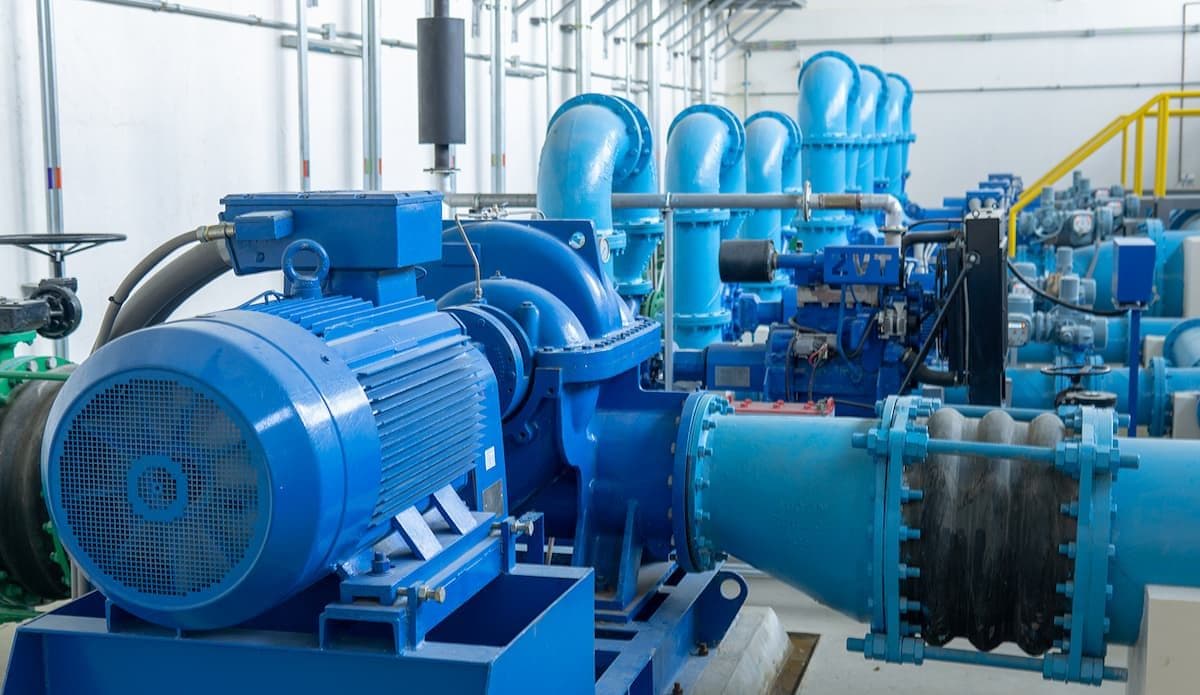
Hydraulically rerating an existing booster pump station to reduce energy cost by €99k a year
Two identical booster pumps ran the same duty. Rerating one to match actual demand cut energy cost while keeping full backup capacity.

Control change would reduce aeration blowers’ energy cost by 5% overnight
The blower station was running more capacity than the process needed. Changing the control strategy saves €120k a year with no capital spend.
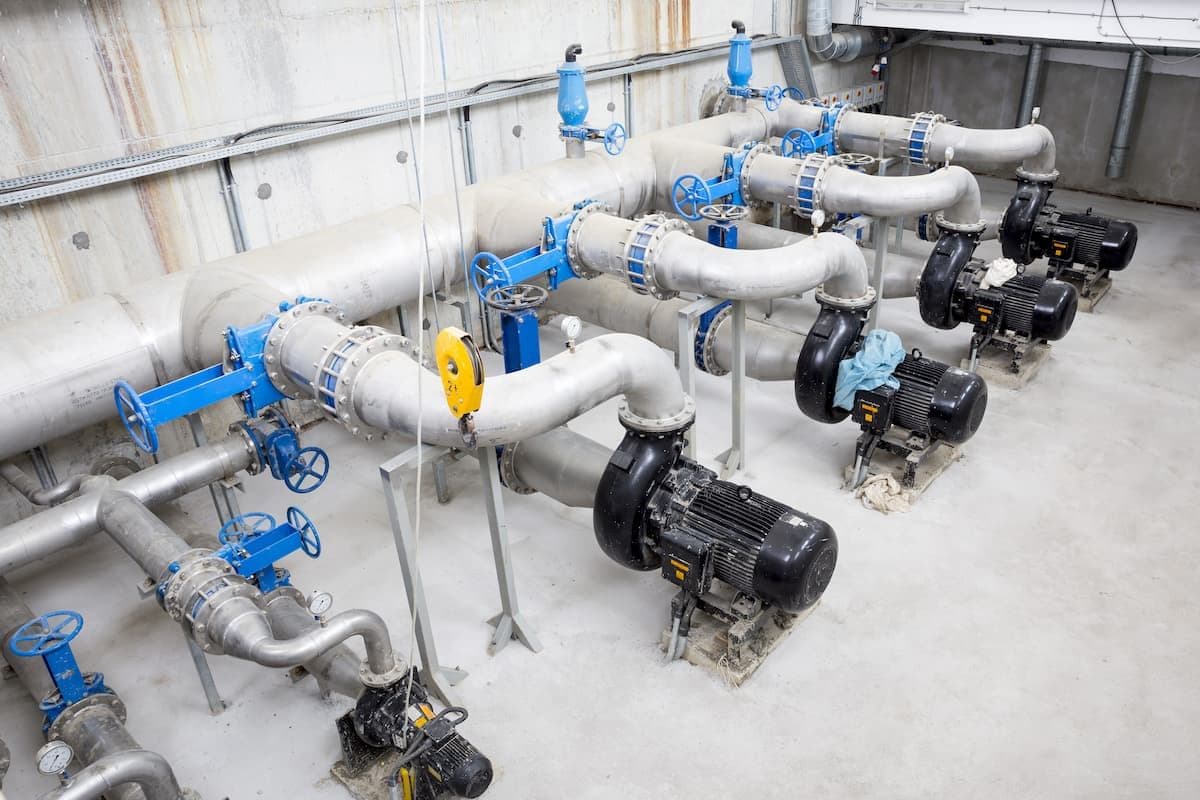
Rightsizing booster pumps to save €121k a year in wasted energy
SAM4 Energy identified a classic mismatch between pump size and system flow that was annually consuming 813 MWh more than it needed to.
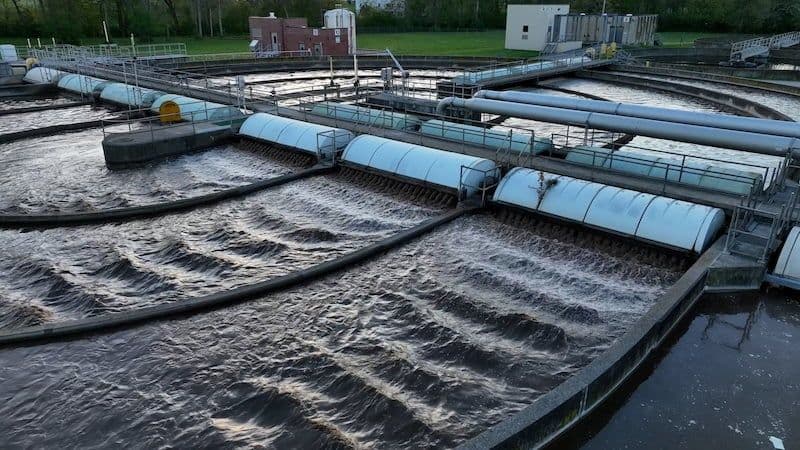
Early alerts on a degrading oxidation ditch rotor prevent two pollution events and up to €900k in costs
Twice, SAM4 Health provided early warning of gearbox degradation though the vibration system had not yet alerted the customer to a problem.
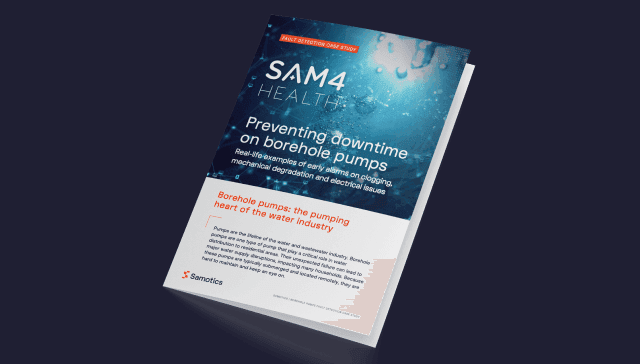
Preventing downtime on borehole pumps
Borehole pumps sit far underground, out of reach of vibration sensors. SAM4 reads their condition from the motor control cabinet at the surface.

Preventing failure in wastewater inlet screws
Preventing failures in wastewater inlet screws holds significant importance on the agenda for water companies as it helps avert breakdowns and pollution events.
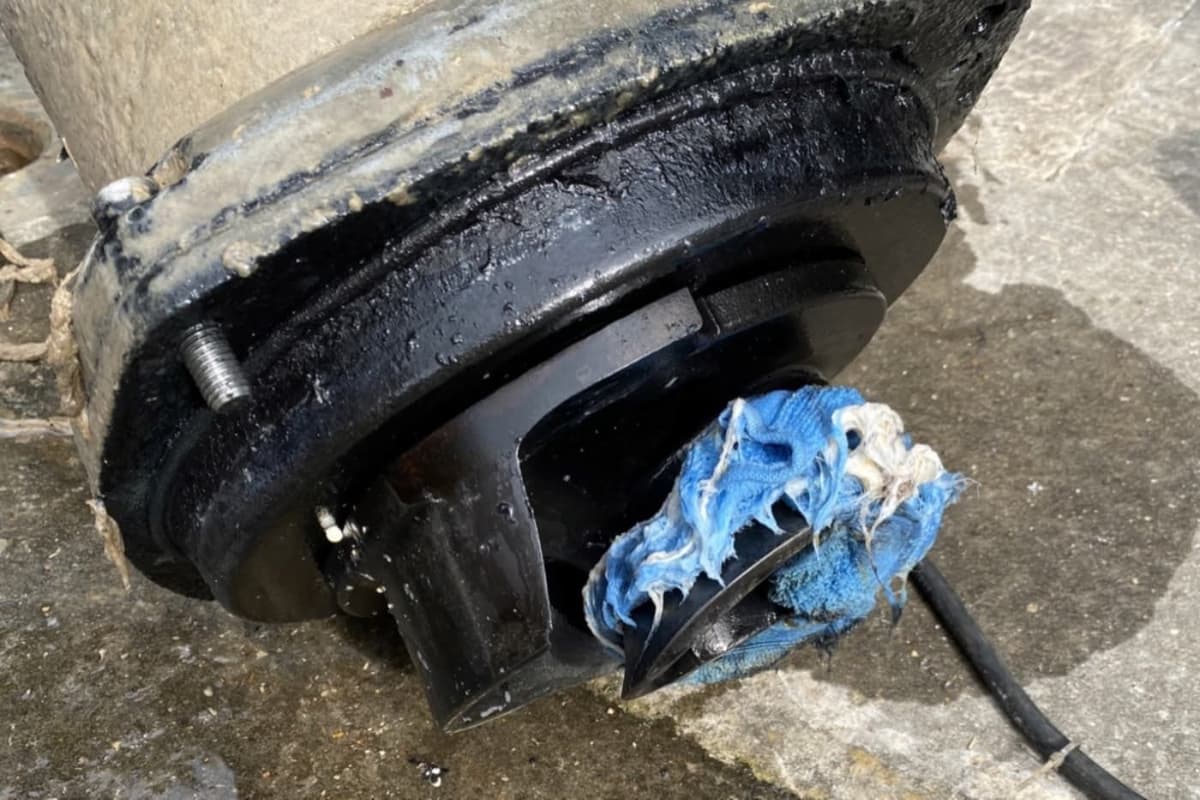
Yorkshire Water clears two blocked sewage pumps
When a second pump began to block, Yorkshire Water sent a team to clear both pumps. The client verified €190,000 in estimated avoided costs.
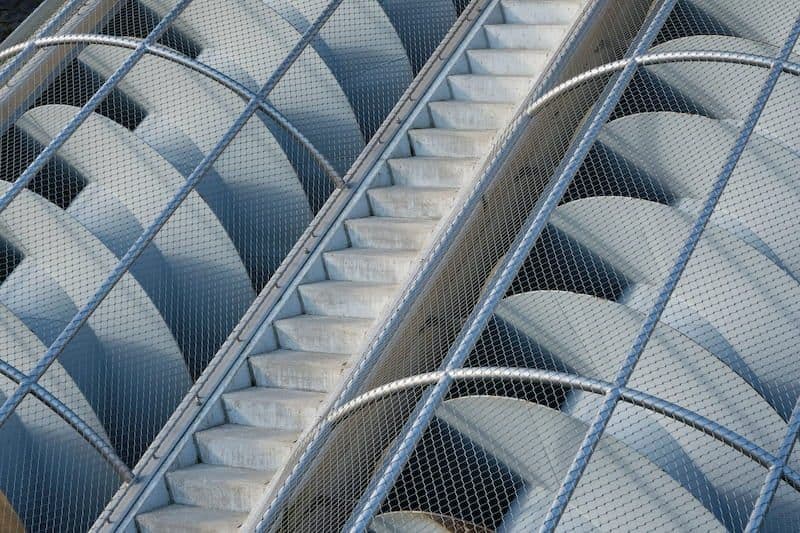
Two pollution events prevented and €840k saved on repairs and emergency mitigation
Belt degradation on a screw pump is hard to catch by inspection. SAM4 detected it early enough to prevent the station backing up twice.

Preventing downtime on belt-driven equipment
Belt wear rarely shows on a vibration route until it is advanced. SAM4 reads belt-pass frequency at the cabinet and flags the drift weeks earlier.
Condition monitoring for wastewater pumps: a case study
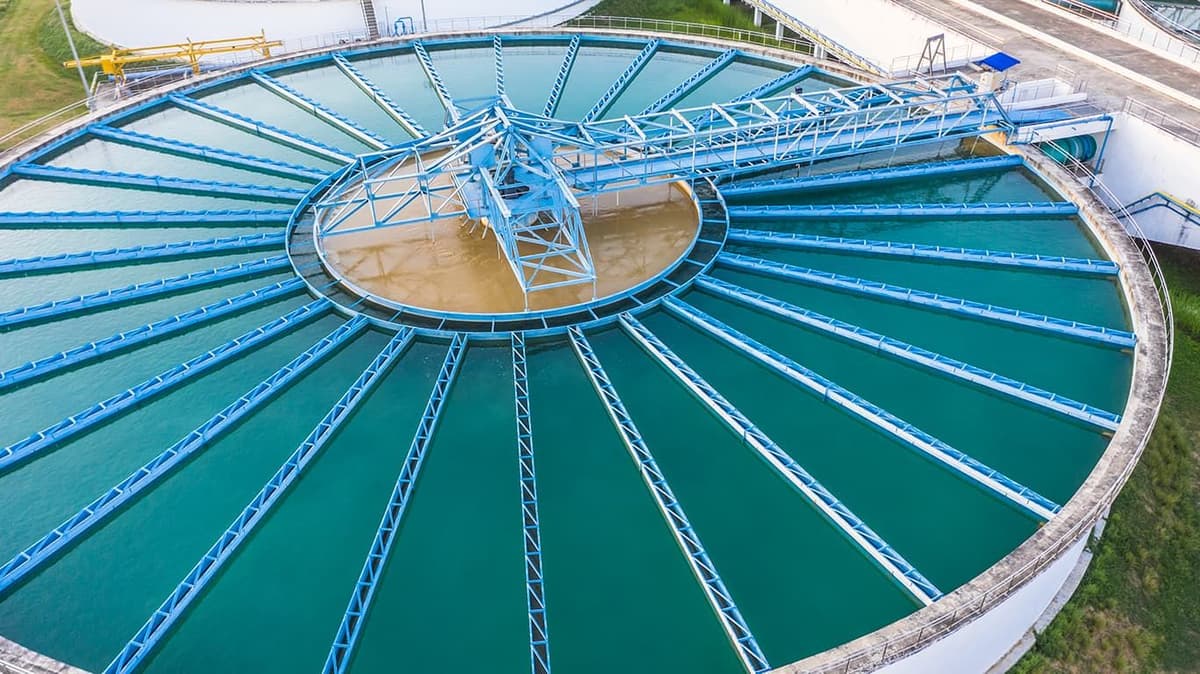
Read how SAM4 alerted this water industry customer to debris that had started to block this wastewater collection pump's intake.
From alert to action: how water teams use SAM4
Detection is only useful if it changes what your team does next. Here is how SAM4 fits the operating rhythm at utilities running thousands of distributed assets.
Red and amber alert triage
Red alerts indicate imminent risk: dispatch immediately. Amber alerts flag developing faults: plan the intervention. The control room sees severity, fault type, and affected asset before deciding whether to send an electrician, a mechanical crew, or a jetter. No more blind dispatch.
Control room integration
Yorkshire Water runs SAM4 monitoring from their 24/7 Bradford control room. Alerts appear alongside SCADA telemetry. Operators triage faults without leaving the desk. For dual-pump stations, if one pump is blocked the response is planned; if both are degrading, it becomes same-day priority.
SAP work order creation
SAM4 alerts can generate a work order in SAP or your CMMS, depending on your integration setup. The work order includes fault type, severity, and recommended action. When the job is closed, the maintenance outcome is fed back to Samotics. That feedback loop is how the model improves over time.
Who owns what
Control room operators handle triage and dispatch. Reliability engineers review trends and plan interventions. Maintenance planners schedule the work. SAM4 does not replace any role. It gives each role better information, earlier.
“It provides me with a sign before a pump faults and gives me a head start on the repair of the issue.”
No sensors in the wet well
Clip on at the MCC
Current transformers clip around the phase wires inside the motor control cabinet. Cabinet-based. Brief MCC outage to install; under 60 minutes per motor in typical configurations. Site permitting and cabinet-access procedures still apply.
Connect via cellular gateway
Data transmits over 4G/5G. Cellular deployment can avoid firewall or VPN changes. Security review and approved data routing still follow your utility's process. Store-and-forward buffering handles remote connectivity gaps common across rural pumping networks.
Monitor from anywhere
The SAM4 dashboard shows asset health, fault alerts, and energy performance. Alerts route to your control room or CMMS. Yorkshire Water runs 24/7 monitoring from their Bradford control room.
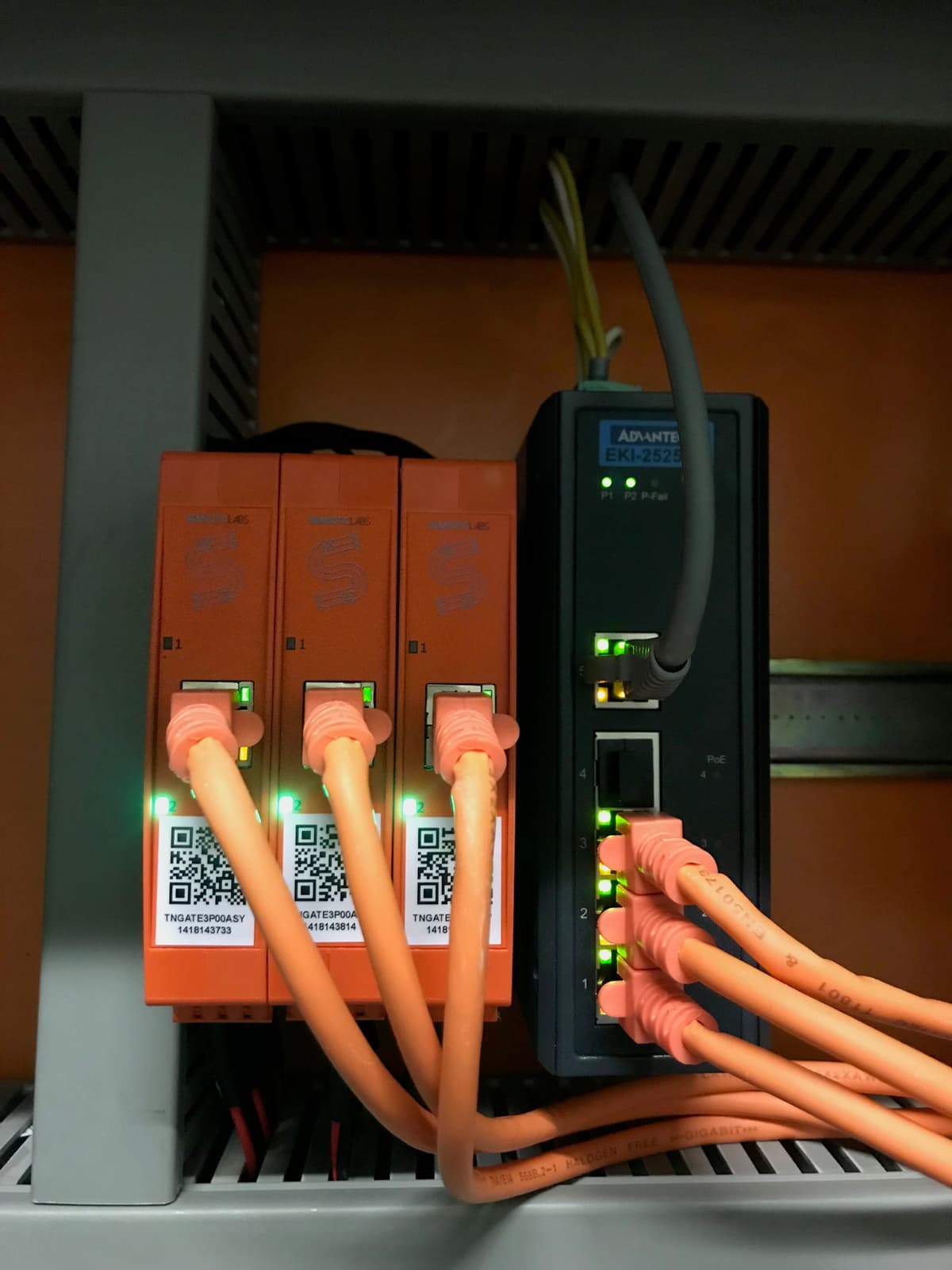
How Yorkshire Water rolled out across 2,500+ pumping stations
Yorkshire Water ran a competitive European procurement with eight bidders. They developed an asset scoring methodology to prioritise the highest-risk pumping stations first. A dedicated engagement coordinator managed change management across operations teams, embedding SAM4 alerts into existing control room procedures and SAP work order workflows.
Trial selection
Asset scoring ranked pumping stations by failure history, criticality, and access difficulty. High-risk stations were instrumented first.
Procurement
European-wide competitive tender. Eight bidders. Samotics selected as sole supplier of ESA monitoring technology.
Change management
Dedicated engagement coordinator. Control room procedures updated. SAP job feedback loop ensures every alert closes with a recorded outcome.
“Allows correct allocation for resources as confidence levels are high when SAM4 predicts failure could be imminent. Saves on wasted maintenance visits.”
Questions about water and wastewater monitoring
If one pump shows a blockage signature and the other does not, it is an asset fault. Plan the intervention. If both pumps at a station show the same degradation pattern, it is a system issue: likely a rising sump level or upstream problem. That becomes same-day priority because pollution risk escalates fast. SAM4 provides this dual-pump logic automatically.
SAM4 alerts route into your existing control room alongside SCADA telemetry. Yorkshire Water runs this from their Bradford control room, 24/7. Red alerts trigger immediate dispatch. Amber alerts go into planned maintenance. Each alert generates a work order in SAP or your CMMS with fault type, severity, and recommended action. The system adapts to your existing procedures. It does not replace them.
Every alert closes with a maintenance outcome recorded by your team. That feedback trains the model for your specific assets and operating conditions. SAM4's condition-indicator false-alert rate across water deployments is 1.9%, verified across 5,222 resolved condition indicators. Sewage-specific baseline models account for variable solids content that would otherwise inflate false alarm rates.
SAM4 does not require historical data to begin. The system builds its own baselines from live electrical measurements. Within weeks of installation, it has enough data to detect anomalies. Detection accuracy improves over time as the model learns normal operating patterns for each specific asset.
Control room operators gain real-time fault triage: they see what is wrong before dispatching. Reliability engineers get trend data for planning interventions before failures occur. Maintenance planners schedule work based on actual condition, not calendar cycles. No role is replaced. Each role gets better information, earlier. Yorkshire Water appointed a dedicated engagement coordinator to embed these workflows during rollout.
Start with your highest-risk sites. Yorkshire Water used an asset scoring methodology to rank pumping stations by failure history, criticality, and access difficulty. Install at those sites first, prove the value, then scale. They went from trial to 2,000 pumping stations via a competitive European procurement. The deployment model is designed for fleet scale, not one-off pilots.
No. SAM4 is complementary. On submerged pumps where vibration sensors cannot physically be installed, SAM4 is the primary condition monitoring source. On accessible assets where vibration is already deployed, ESA adds electrical fault detection and energy performance data that vibration does not cover. It works alongside your existing SCADA and telemetry, not instead of it.
SAM4 is monitoring-only. It reads electrical signals passively. It has no connection to control systems and cannot send commands to any asset. Yorkshire Water's cybersecurity review classified the system as low threat. Data transmits over cellular, completely separate from the operational network. No IT/OT convergence required.
Indirectly, yes. SAM4 puts nothing on the main itself, it reads the pumps, and the pumps are the only powered assets wired into the pressurised section. A major burst changes the hydraulic load on every pump on the main at once, and SAM4 flags that coordinated shift as a system event after expert review. It detects major bursts with a clear signature; it does not detect slow seeps or pinpoint the burst location.
Where SAM4 fits, and where it needs review
SAM4 is strongest where the monitored asset is AC-motor-driven, the electrical signal is accessible at the MCC, and the failure modes create measurable changes in current, voltage, torque, speed, or load. Fit depends on motor configuration, drive topology, duty cycle, load stability, operating regime, and the failure modes you want to detect. During asset-fit review, we identify which assets are strong candidates, which need engineering review, and which are better covered by vibration, process instrumentation, OEM monitoring, or inspection.
Prioritise the pumping stations most likely to create pollution risk.
Start with the highest-risk wet wells, boreholes, and pumping stations. Review asset fit, deployment path, and expected operational impact before scaling.