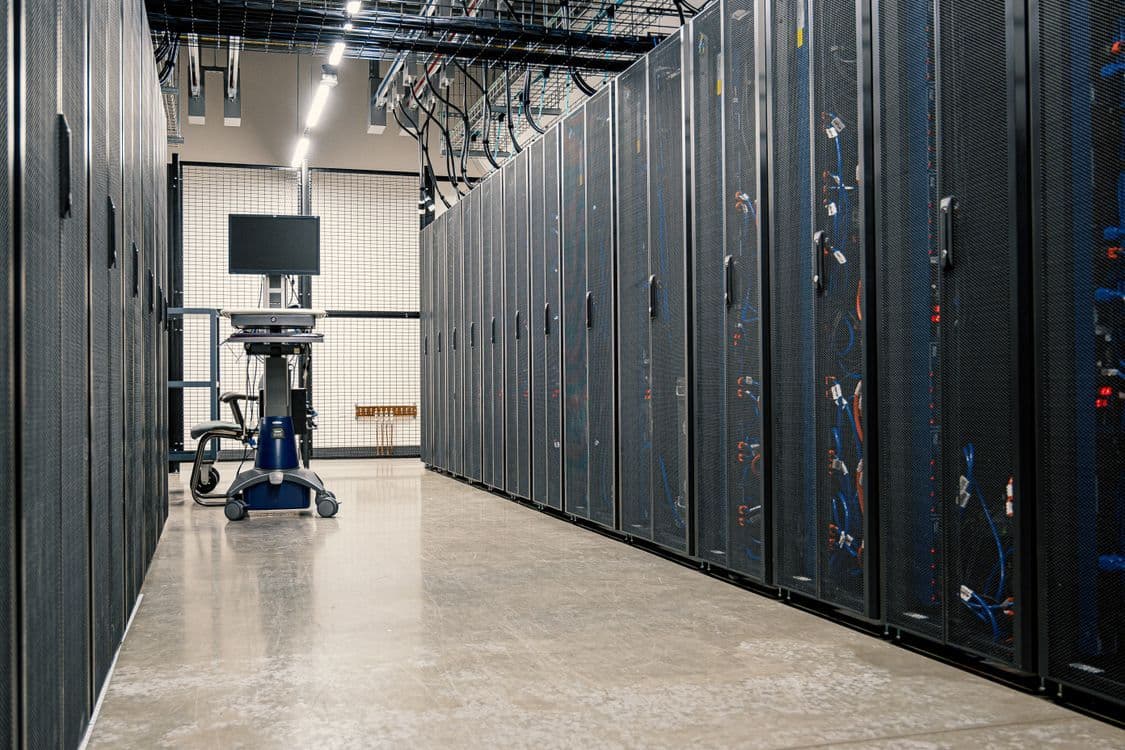
An aisle between rows of server racks in a data center

Data centers

Know which cooling assets need attention.

Monitor critical cooling pumps and fans from the electrical cabinet. SAM4 turns current and voltage into fault evidence and a recommended maintenance action.

For suitable three-phase motor-driven equipment.

Start with pumpsChilled-water and condenser-water circuitsInclude suitable fansCooling towers, dry coolers and larger air handlersReview the configurationMotor, drive, duty and existing monitoring
Cooling continuity

Normal temperatures can hide a developing fault.

A control loop can hold pressure while a pump works harder. Other machines can carry the load. For the facilities team, the question is which machine needs attention before the next maintenance window.

Already have vibration monitoring?

SAM4 adds current-and-voltage evidence for motor electrical faults and load-related changes. Cabinet measurements can also extend coverage to suitable pumps and fans that are difficult to instrument. Use both where the extra evidence changes a maintenance decision.

Already have redundant cooling?

Redundancy helps keep cooling available after a fault. SAM4 helps identify deterioration in operating pumps and fans so you can investigate and prepare the repair. Plan work around available cooling capacity, and assess standby units during suitable test runs.

Why SAM4

Condition evidence from the motor circuit

SAM4 measures current and voltage at the motor control cabinet. Electrical faults and changes in shaft load can leave distinct patterns in that signal.

For pumps and fans that are difficult to reach, cabinet measurements avoid the need to mount a condition sensor on the machine. Samotics assesses the patterns and recommends a maintenance response.

Existing BMS and vibration systems remain part of the assessment. Start with the assets where an electrical diagnostic would add a useful maintenance decision.

See how ESA works
Cooling plantElectrical cabinet
Chilled-water pumpPlant circulation
01Motor circuitCurrent + voltage
Condenser-water pumpWater-cooled plant
02Motor circuitCurrent + voltage
Cooling fanSuitable three-phase drive
03Motor circuitCurrent + voltage
Electrical measurements, linked to each asset
SAM4 assessmentFault evidence.
Recommended response.
Your maintenance teamChoose the inspection.
Plan the work.
Each monitored motor circuit is measured separately. Example scope; motor, drive and duty are checked during the asset review.
Best SAM4 fit

Cooling equipment to assess first

Fit follows the machine, its duty and the maintenance decision. Use this shortlist to define the monitoring scope.

01

Chilled-water pumps

Priority application

Evidence to look for

Motor electrical faults, misalignment and hydraulic changes such as cavitation. Bearing evidence depends on location and load path.

The maintenance decision

Identify the pump to inspect and prepare the repair around the site’s cooling and redundancy requirements.

Assess motor type, speed range and target faults. Flow and pressure measurements remain part of the hydraulic assessment.
02

Condenser-water pumps

Priority where installed

Evidence to look for

Electrical asymmetry, load-coupled mechanical faults and changes in the pump’s hydraulic operating behaviour.

The maintenance decision

Investigate a deteriorating pump while the team can still choose a suitable maintenance window.

SAM4 adds machine-condition evidence. Water chemistry, heat-exchanger fouling and system flow need their own measurements.
03

Cooling fans

Selected configurations

Evidence to look for

Motor electrical faults, mechanical unbalance and changes linked to belts, couplings or bearings where the load path carries the signal.

The maintenance decision

Locate the fan train that needs inspection and prepare work around access and available cooling capacity.

Direct vibration remains valuable for fan bearings and structural faults. Integrated EC fan arrays require a separate compatibility review.
04

Other circulation pumps

Site-specific priority

Evidence to look for

Motor and mechanically coupled faults, changing load and hydraulic behaviour in suitable centrifugal pump sets.

The maintenance decision

Bring essential auxiliary pumps into the same condition-review process as the central plant.

Criticality depends on the site design. A heat-recovery circuit may be commercially important without being required for cooling uptime.
Fit follows the machine and the duty.

Include the motor nameplate, drive model, normal speed range and operating hours. We review the signal path and agree which faults to monitor.

Chillers, CDU pumps and other critical equipment
Chiller compressors

Review the motor, compressor and drive together. A chiller’s critical role does not establish diagnostic coverage for every compressor design.

CDU pumps & integrated fans

Coolant distribution units and EC fan arrays need an OEM-specific review of signal access, motor type and the diagnostics already installed.

Emergency & electrical systems

Low-runtime standby pumps may not provide enough operating data. UPS systems, batteries and switchgear are outside this page’s SAM4 scope.

Deployment & workflow

Start at the
electrical cabinet.

Agree the asset scope, fit installation into the site’s electrical work plan, and route findings to the people responsible for maintenance.

Review the installation approach
01

Cabinet measurements

Current sensors and voltage connections measure individual motor circuits. Installation requires safe cabinet access and planned de-energisation under the site’s procedures.

02

Compatible embedded drives

Some ABB configurations provide the electrical measurements from the drive itself. Check the exact model, control unit and service requirements before specifying the installation.

03

Findings your team can act on

Receive the diagnosis, severity and recommended response. Review the evidence with Samotics and plan the work alongside existing maintenance and cooling procedures.

Before you specify

Questions about data-center cooling monitoring

We already have a BMS and vibration. What changes?

SAM4 adds electrical evidence alongside those systems. It can help with motor-circuit faults, load-related changes and suitable assets that are difficult to instrument. If vibration checks are periodic, continuous cabinet monitoring can also add visibility between rounds. On assets with continuous vibration, assess the specific additional fault coverage. Vibration remains valuable for accessible bearings and structural faults.

If the cooling plant is redundant, why monitor individual assets?

When a unit is out of service, the plant may have less spare capacity until it is repaired. Condition evidence can help identify deterioration, prepare parts and choose an inspection or repair window. That supports maintenance planning around the redundancy you have. SAM4 does not certify spare capacity or replace failover testing.

Does SAM4 work with variable-speed drives?

Yes, on suitable configurations. Drive harmonics, speed changes and load variation affect signal quality. We review the drive setup, operating range and target fault modes before defining coverage.

Can you assess a standby pump?

Condition monitoring needs operating data. Duty rotation or scheduled test runs can provide it when the run duration and load are sufficient. SAM4 does not establish the condition of a stopped pump or replace a failover test.

Does this cover every cooling fan or CDU?

No. Start with conventional three-phase motor-driven pumps and fans. Integrated EC fans, small permanent-magnet drives and CDU assemblies require a separate assessment of motor compatibility and signal access.

How will we know whether SAM4 adds value?

Agree an initial asset scope and target faults. Compare SAM4 findings with your BMS, drive diagnostics, vibration data and inspection results. Review useful coverage, false alerts and maintenance decisions changed before extending the scope.

Will SAM4 control the cooling plant?

This scope provides monitoring and maintenance recommendations. The BMS, equipment controls, protective systems and site operating procedures retain their roles.

Find the cooling assets worth monitoring.

Bring the pump and fan list, motor details and current monitoring setup. Use the review to agree the priority assets, target faults and added coverage worth evaluating.

Review your cooling assets