Case study
Early alerts prevent a potential pollution event and save ~€200K in costs at Yorkshire Water
The problem
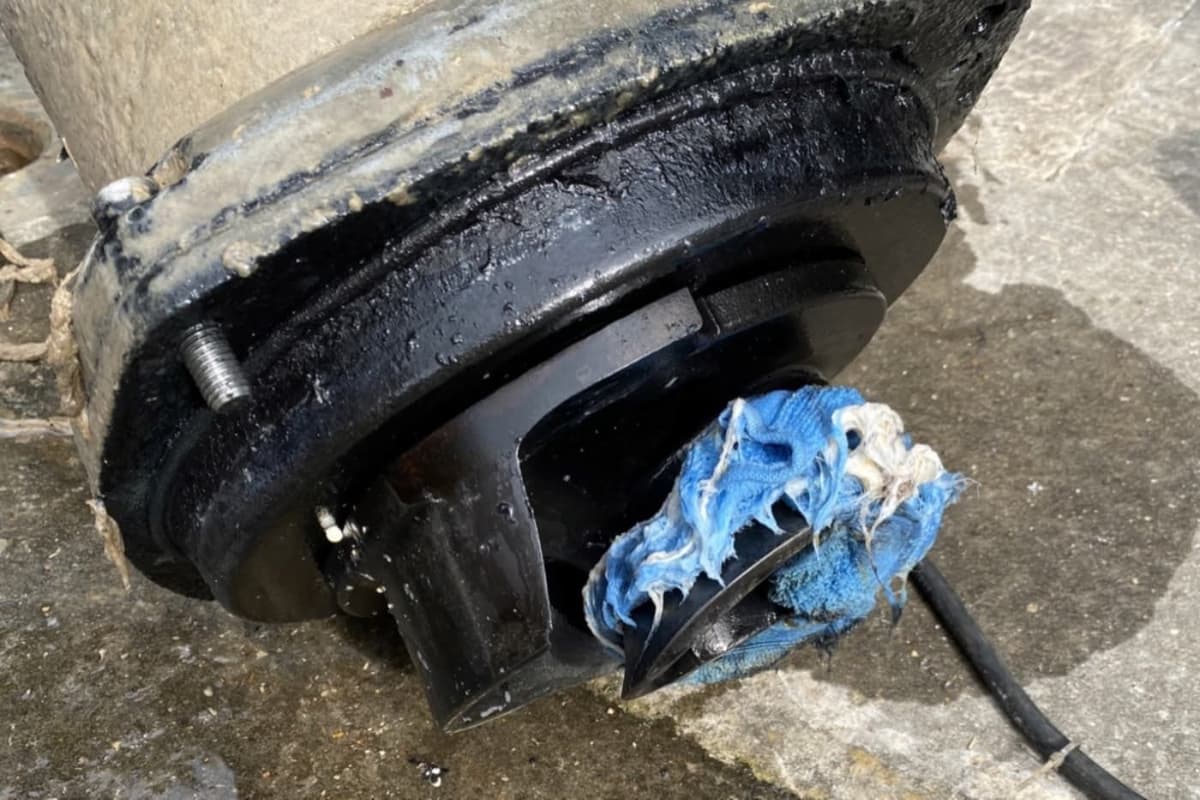
If a sewage pump unexpectedly breaks down during a period of high flow, fluid that should be transported away starts to build up and flood the surrounding area. To avoid the risk of a pollution incident, it’s critical to know when a sewage pump is starting to clog and how severe the situation is, so maintenance can be planned before blockage results in a tripped pump. Many water utilities therefore rely on SAM4 Health and its automated clogging detection feature to provide early warning of developing pump blockages.
The solution
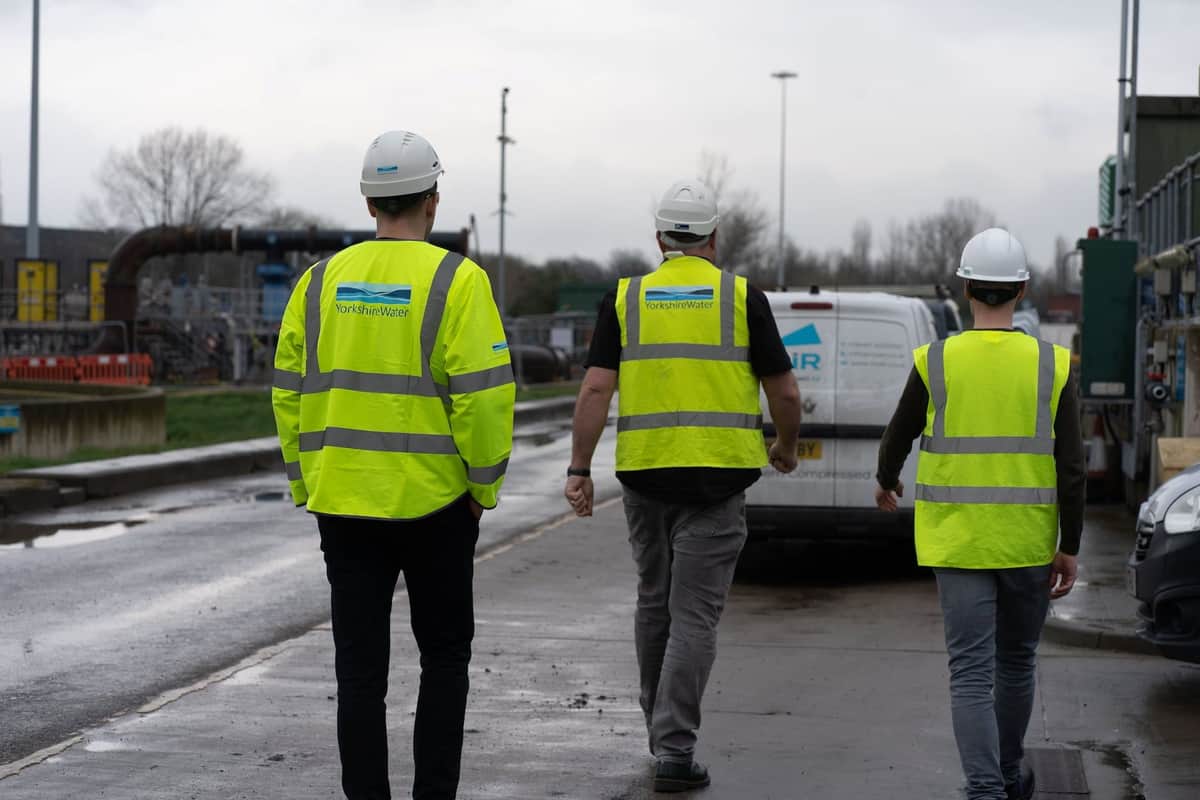
In one particular case, Samotics’ system has been installed on two co-located sewage pumps at one of Yorkshire Water’s sewage pumping stations. SAM4 detected developing signs of partial blockage on one of the pumps (pump 2). Since the other pump was able to handle the incoming flow, no immediate intervention was necessary. We advised that we will closely monitor the situation for 48 hours and determine if a site visit is necessary or if the blockage would clear itself in this timeframe.
Forty eight hours later, with no improvement in the situation, we advised the customer to schedule a pump inspection. The alert stated that the same-day action was not required and that the situation could be resolved in the following week, without impacting pump station operations.
However, a week later, SAM4 detected signs of a developing blockage on the second pump (pump 1). With two clogged pumps, this created an emergency response situation due to an increased risk of a pollution incident. This prompted SAM4 to send out an urgent red alert. The Yorkshire Water team immediately attended the site and lifted both pumps for inspection. They cleared both pumps from obstructions and put them back into operation. After maintenance was performed, SAM4 Health confirmed that both pumps have returned to healthy behavior.
SAM4 data from the automated blockage detection feature for both sewage pumps. You can clearly see the resolution of both clogging incidents. Once the maintenance crew removed the blockages, the continuously high scores for pump 2 and the signs of developing blockage on pump 1 returned to healthy behavior.
The result
Thanks to continuous insight into condition and severity of blockages, the Yorkshire Water team were able to get to the sewage pumping station in time to remove blockages and ultimately prevent a potential pollution event from occuring. These detections prevented €40k in maintenance costs and an estimated €150k pollution fine.
Yorkshire Water also valued the ability to understand the severity of the situation based on the insights into the full pumping station. This enabled the team to optimize and prioritize their maintenance work.
See SAM4 in action
Related case studies

Early alerts on a degrading oxidation ditch rotor prevent two pollution events and up to €900k in costs
Twice, SAM4 Health provided early warning of gearbox degradation though the vibration system had not yet alerted the customer to a problem.

Hydraulically rerating an existing booster pump station to reduce energy cost by €99k a year
Two identical booster pumps ran the same duty. Rerating one to match actual demand cut energy cost while keeping full backup capacity.

Improving submersible pump efficiency at Sabesp
SAM4 measured how far the submersible pumps had drifted from their design efficiency, showing the operator where energy was being lost.

Preventing downtime on borehole pumps
Borehole pumps sit far underground, out of reach of vibration sensors. SAM4 reads their condition from the motor control cabinet at the surface.

How Yorkshire Water saved £390k in potential fines
Three separate pollution events avoided through early alerts on sewage pumps, each caught in time for the utility to act before discharge.