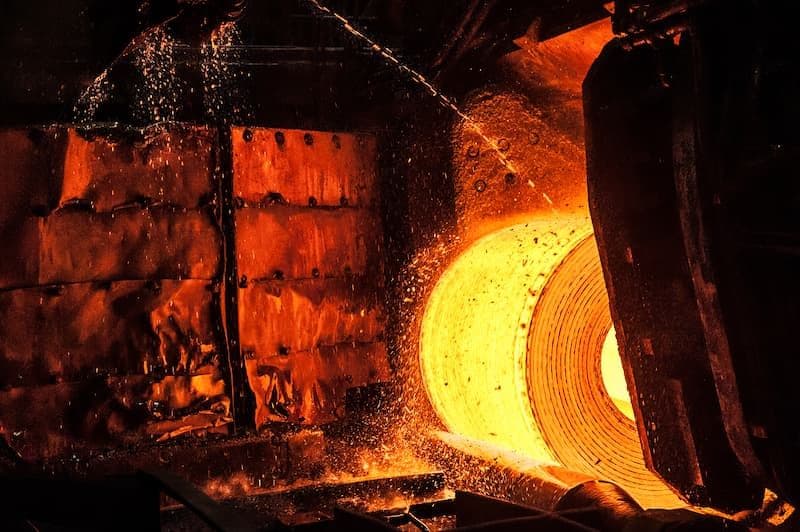
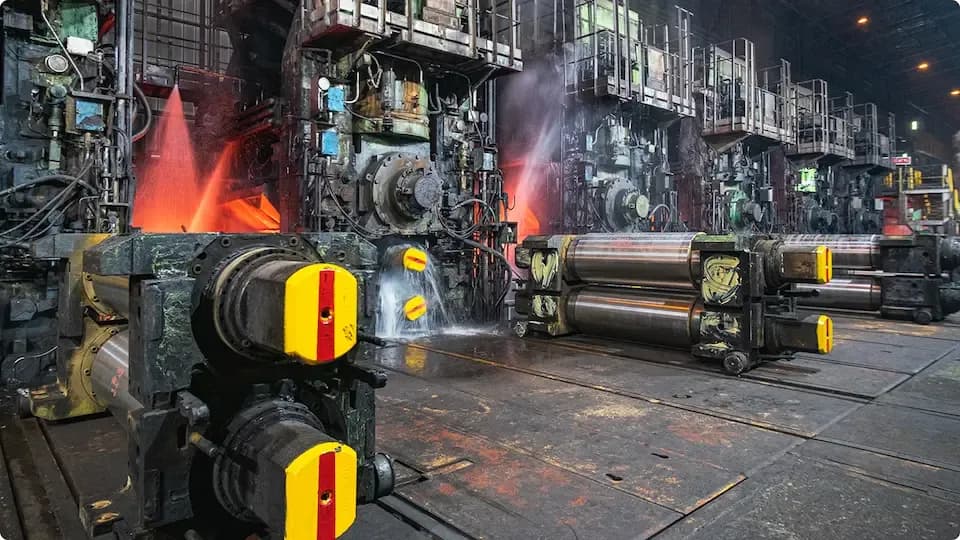
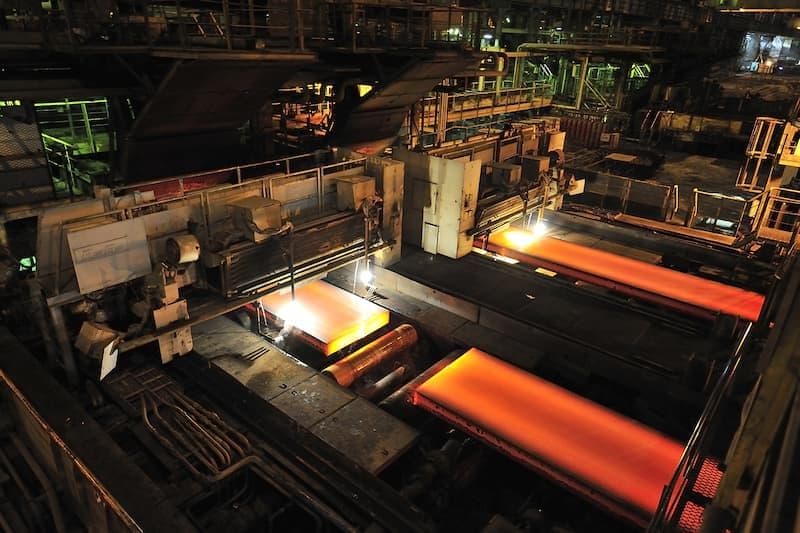
Nyrstar zinc-smelter case photograph.

Nyrstar · Metals & mining

Nyrstar used the warning to plan the repair.

SAM4 detected a developing transmission fault and supplied the trend behind the finding. Nyrstar used the warning to arrange replacement during a scheduled stop. The team’s inspection found a displaced belt and worn pulleys.

800%reported ROI in the first 11 months
1.5 monthswithin which the belt-misalignment issue was detected
Plannedreplacement during a scheduled stop
AssetPump belt-and-pulley transmission
Fault detectedMisalignment
Key result800% ROI over 11 months (programme)
The maintenance question

The plant needed time to organise the work.

Nyrstar’s continuously operating zinc smelter depends on pumps, conveyors, agitators and other critical assets. Unexpected failures could disrupt production and bring maintenance teams back to site at night.

For the pump transmission in this case, early fault information gave the team an opportunity to use a scheduled stop.

The alert, data and decision

How Nyrstar used the findings

Each team makes an active contribution to the maintenance response.

SAM4 and Samotics engineers

Detect changes in the belt-and-pulley transmission and provide the measured trend behind the finding. Track the indicator through inspection and replacement.

Nyrstar’s maintenance team

Use the warning to arrange the work during a scheduled stop. Inspect the transmission, identify the physical damage and carry out the replacement.

Follow the engineering decisions

The finding, the inspection and the planned repair.

What SAM4 provided

A transmission finding with a measured trend.

The alert
Within 1.5 months, SAM4 detected misalignment in a pump’s belt-and-pulley transmission.
The supporting data
The published trend shows an increasing indicator for belt misalignment or degradation. The chart records the traffic-light change and preventive inspection.
The follow-up
The same chart records preventive replacement and incident closure, with the indicator returning to normal after maintenance.

What the engineering team did

Nyrstar chose a scheduled stop for the repair.

Plan the intervention
The early detection allowed replacement to be arranged during a scheduled stop.
Inspect the equipment
The team found that the belt had slipped off its pulley and both pulleys were worn.
Carry out the repair
The site addressed the issue within the maintenance window, avoiding an unplanned line stop and potential production loss.

What the information enabledThe warning identified what needed attention. The measured trend substantiated the finding, and Nyrstar used its maintenance schedule to choose when to intervene.

Original Nyrstar data. The chart marks the alert, preventive inspection, preventive replacement and incident closure. The indicator falls after replacement.

Open the original chart at full size

The reported outcome

Repair during a scheduled stop

The site used the scheduled maintenance window to replace the affected transmission components. Inspection substantiated the finding, and the published data show the return to normal behaviour after maintenance.

800% ROI Reported over the first 11 months of the Nyrstar programme.

The programme result gives the wider business context. The belt-and-pulley incident above shows one documented decision within that programme; the ROI is not attributed solely to that repair.

Read the technical detail and original account

The company

Nyrstar is one of Europe’s leading zinc smelters, refining over 300,000 tons of high-purity zinc every year. Operating continuously, the plant relies on pumps, conveyors, agitators, and other critical assets to keep furnaces running. As a vital part of the global zinc supply chain, the company cannot afford unplanned downtime.

The solution

Nyrstar installed SAM4 on critical motor-driven equipment. The system measures electrical signals at the motor control cabinet and provides fault findings for the maintenance team to investigate.

The challenge

Despite a well-established maintenance strategy, Nyrstar faced recurring challenges with unplanned equipment failures. Conveyor stalls and pump seizures caused furnaces to cool, logistics delays, and production losses costing hundreds of thousands of euros per hour.

Maintenance teams were also frequently called out in the middle of the night to respond to urgent breakdowns. The site needed a way to identify risks in advance, reduce reliance on firefighting, and protect critical motors while adapting to evolving workforce needs.

Effective detection of belt misalignment

Within just 1.5 months, SAM4 detected misalignment in the belt and pulley transmission for this pump, allowing replacement during a scheduled stop rather than a production-halting breakdown. Inspection revealed the belt had slipped off its pulley and both pulleys were worn. By addressing the issue during a maintenance window, the site avoided an unplanned line stop and potential production loss.

SAM4 data showing belt misalignment

SAM4 data showing belt misalignment and a return to normal behavior after maintenance.

The result

SAM4 has become an essential tool in Nyrstar’s strategy to protect uptime, safety and operational efficiency. In the first eleven months, maintenance shifted from urgent nighttime repairs to scheduled, controlled interventions.

The team used the warning to inspect the transmission and replace damaged components during a scheduled stop.

Hear from the customer

Video thumbnail — Nyrstar zinc smelter SAM4 case study

Discuss monitoring for your equipment

Start with the equipment and the maintenance question. Discuss the alert information, supporting measurements and engineering support your team would need to make a substantiated call.