Yorkshire Water got ahead of pump failures, then scaled.
Yorkshire Water piloted SAM4 on around 25 assets from 2021 to see developing blockages before a pumping station failed. Five years on, 2,960 assets are installed across the estate, the control room plans the work instead of reacting to it, and the programme is expanding again under AMP8.
2,960
Yorkshire Water assets installed · to the end of October 2026
40
customer-confirmed pollution events prevented · October 2026
£15.0m
customer-confirmed value since 2021 · as at 31 Oct 2026
Assets
Submersible sewage pumps, screw pumps and clean water pumps
Faults detected
Blockages and airlocks at pumping stations; developing faults on other assets
Yorkshire Water’s control room works around the clock. The team’s job is to triage that risk and send the right response to site, and for years the work was reactive: an alarm, a failure, a call-out.
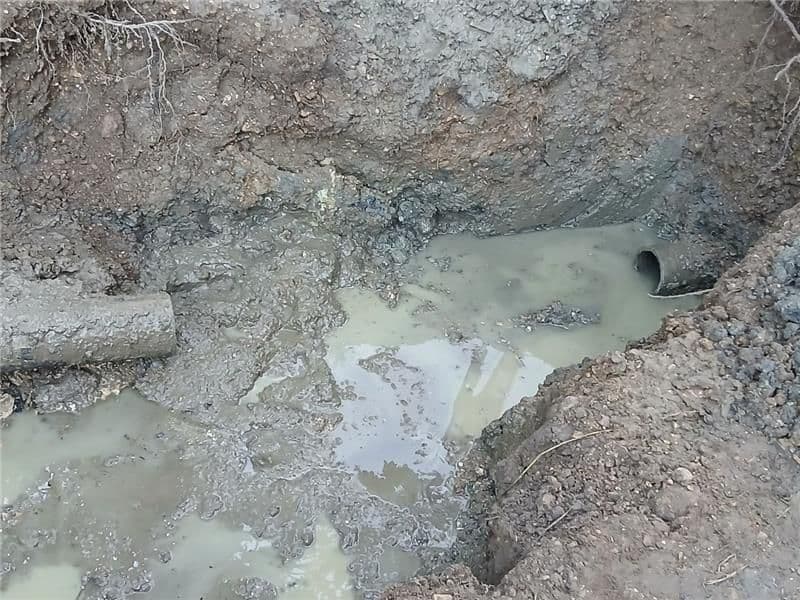
Blockages and airlocks are among the most common and damaging failures at a sewage pumping station. Left unchecked, either can lead to a station failing and polluting the watercourse nearby. Telemetry shows whether a pump is running or has failed, but not how it is performing or that a fault is developing. That gap, and the pollution risk it carries, pushed Yorkshire Water to look for a more proactive approach.
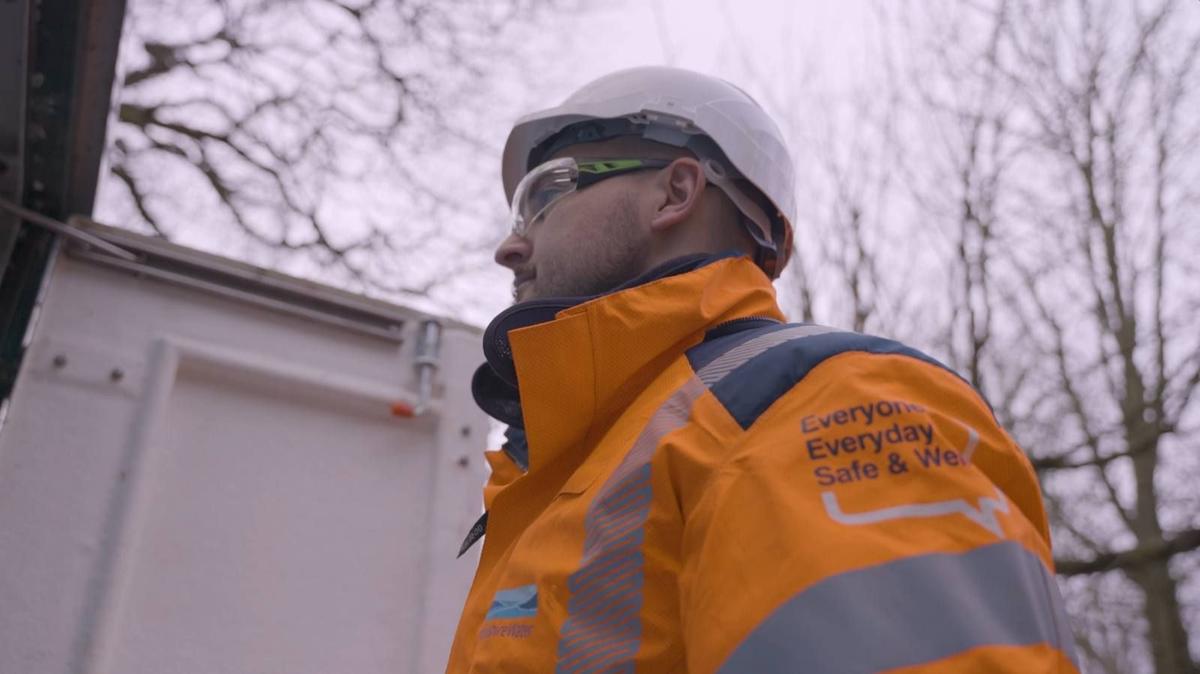
Watch the film. George Cowell, Andy Newell and Gordan Ward, Yorkshire Water
“Samotics has enabled our control room to take huge steps into pro-active risk management, specifically the development of Blockage and Airlock modules. We’ve seen a huge success by helping us to detect developing issues before failure occurs.”
George Cowell, Operational Intelligence Manager, Yorkshire Water
“Prior to Samotics, we relied on data telemetry systems. The only insights that we have are whether a pump is running or whether a pump is failed. We don’t necessarily know whether the pump is actually pumping.”
Andy Newell, Operational Intelligence Technical Team Leader, Yorkshire Water
Condition monitoring across the water cycle
From a 25-asset pilot to a scaled programme
How the relationship and the scale of the work grew, year by year. Asset counts are assets installed at each year end (31 October for 2026), rounded to the nearest five; fault counts are from Samotics’ monitoring records as of 29 October 2026.
2021~25 installed
The pilot
The first SAM4 units go in at Yorkshire Water in mid-2021: around 25 assets at one sewage treatment works and the pumping stations that stood to gain most. Pump clogging was the failure that cost Yorkshire Water most, in call-outs, in inspection visits and in pollution risk, and Samotics’ data scientists worked with its teams to refine clogging detection for its pumping stations. The first detections came within weeks.
2022~160 installed
First expansion and the contract
Early results take SAM4 onto more of Yorkshire Water’s problem pumping stations. Later that year, after a competitive tender, Yorkshire Water selects SAM4 as its electrical signature analysis technology: a £10 million contract as sole ESA supplier to at least 2025, part of its Dynamic Maintenance programme. The first blockages are confirmed on alerts that year.
2023~1,930 installed
The rollout
Samotics works closely with Yorkshire Water’s electrical and instrumentation framework partners, who install SAM4 across the estate at pace; by the end of the year, 1,930 assets are installed. Samotics provides the analytics, alerts and engineer review. 98 faults confirmed in the year.
2024~2,540 installed
Wider detection
Airlocks join blockages as a confirmed detection at Yorkshire Water’s pumping stations.
2025~2,585 installed
Operational intelligence
In January 2025, Yorkshire Water establishes its Operational Intelligence function, with a dedicated team and processes for acting on SAM4 alerts. Faults confirmed in the year nearly quadruple, from 92 to 346. In December, the programme wins the Utility Week Award for Digital Transformation.
2026~2,960 installed to October
AMP8
New AMP8 orders for a further 1,200 sewage pumping station assets and 300 clean water pumping assets take the estate under contract past 4,000. Burst rising main detection launches in July, developed with Yorkshire Water and Southern Water supporting through data and field insight. In October, the two are shortlisted for the Utility Week Innovation Award (BAU Deployment) for that work. 442 faults confirmed so far this year (as of October 2026).
Source: Samotics monitoring records for the Yorkshire Water account, as of 29 October 2026. Assets are counted from their installation date; a fault is a condition incident Yorkshire Water’s teams resolved as a detected fault, counted cumulatively from the pilot. The rise from 2025 follows the launch of Yorkshire Water’s Operational Intelligence team in January 2025. *2026 is year to date.
“We started small with a trial and then we adopted on scale really quickly. And that was off the back of the benefits that were tracked from the Samotics platform.”
George Cowell, Operational Intelligence Manager, Yorkshire Water
The alert, the data and the decision
How an alert becomes a planned job
What happens between a pump’s electrical signature changing and a technician lifting it, as the Operational Intelligence team describes it in the film.
1 · Detect
SAM4 reads the pump from the cabinet
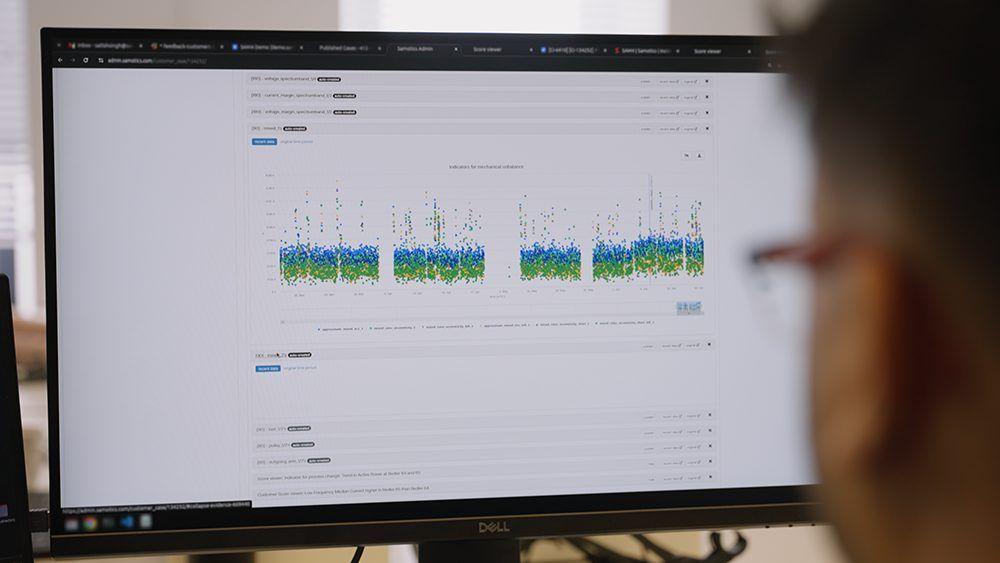
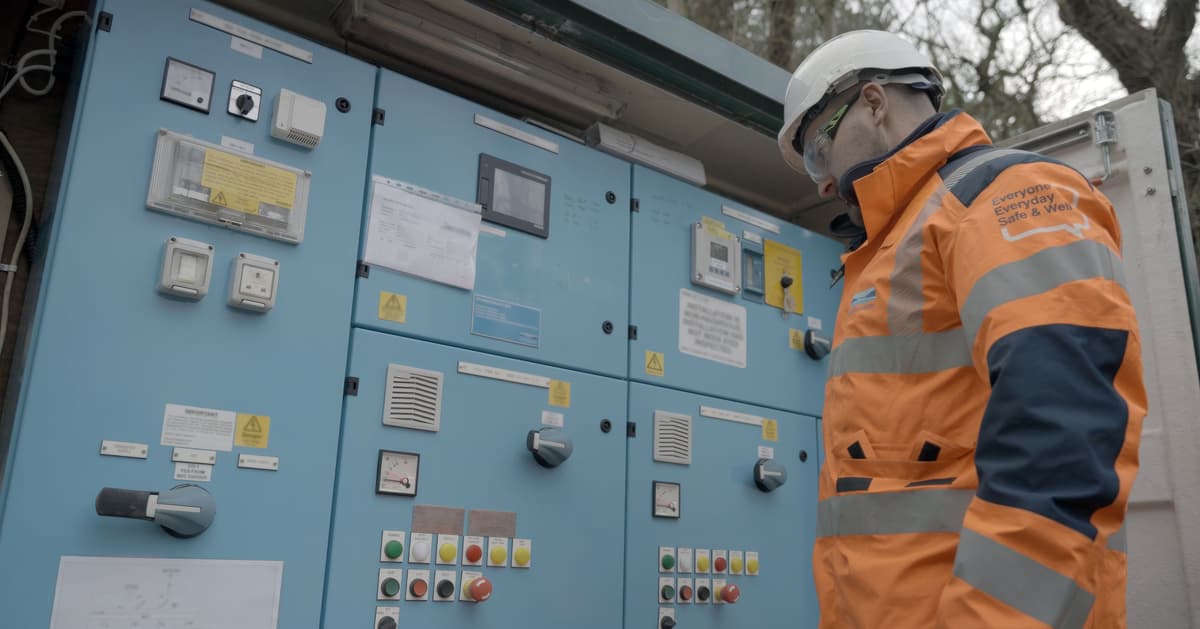
Current and voltage, sampled continuously from a unit in the motor control cabinet, with nothing fitted to the pump or placed in the wet well. When the signature points to a developing blockage or airlock, an alert goes to Yorkshire Water with the pump and the suspected cause. Ambiguous or high-impact detections are reviewed by Samotics reliability engineers before they reach the team.
2 · Triage
Operational Intelligence checks urgency
The team categorises the alert and judges how urgent it is. For a red alert they cross-check their own telemetry to understand the criticality of what is coming through.
3 · Dispatch
The job goes to the field teams
After the desktop analysis the job is raised and sent out, in working hours where the station is still operable and passing forward the flows it needs to.
4 · Feed back
What was found goes back to Samotics
The team reviews the job feedback, records what was done on site and sends it back, so Samotics can see what happened and the record of each alert and its outcome is kept.
Samotics engineers review ambiguous or high-impact detections before they reach Yorkshire Water’s team.
“Electrical signature analysis provides the data, which is analysed using AI to identify potential issues and generate alerts. Having a person verify those alerts gives us greater confidence that, when we send an operative to site, there’s a genuine issue to investigate.”
George Cowell, Operational Intelligence Manager, Yorkshire Water
Where SAM4 is today
2,960 assets installed, from the sewer network to the treatment works
Figures to the end of October 2026.
1,007
sewage pumping stations
submersible sewage pumps
195
clean water pumping sites
borehole, high-lift and booster pumps
33
wastewater treatment works
screw pumps and blowers
18
clean water production sites
pumps at the treatment works
Most of the estate is sewage pumping stations: pairs of submersible pumps at 1,007 stations, where SAM4 watches for the blockages and airlocks that lead to pollution. The remaining assets are in clean water pumping (borehole, high-lift and booster pumps) and wastewater treatment (screw pumps and blowers). Here the focus is mechanical and electrical health, and SAM4 monitors it the same way: from the motor control cabinet, with nothing fitted to the asset.
Since 2021, 1,017 alerts have been confirmed as faults by Yorkshire Water’s teams. At the pumping stations: 449 blockages and 163 airlocks. On other assets: impeller degradation, belt faults and mechanical unbalance, among others. The record of each alert and what the field team found is kept on the platform, which is what Yorkshire Water used to decide where to scale.
“The rollout of Samotics’ condition monitoring system represents a strategic shift toward data-driven, proactive asset management that will reduce the risk of service interruptions and environmental pollution, while delivering cost savings and operational efficiencies.”
Simon Herrington, Engineering Performance Manager, Yorkshire Water (July 2026)
The reported outcome
Planned work in place of call-outs, and incidents that did not happen
By August 2026, the programme had returned 267% net over its lifetime: customer-confirmed value against everything Yorkshire Water had paid to date. Yorkshire Water’s benefits tracker records 40 pollution events prevented to the end of October 2026. In the film, the control room describes the day-to-day change: blockages cleared in working hours, before a station fails. In Samotics’ records, customer-confirmed detection value stood at £15.0m at 31 October 2026.
267% return on investment
40 pollution events prevented
£15.0m customer-confirmed value
Utility Week Award for Digital Transformation, 2025
When the film was recorded in February 2026, the team counted around 100 blockages caught and 30 incidents avoided. By October 2026, pollution events prevented stood at 40.
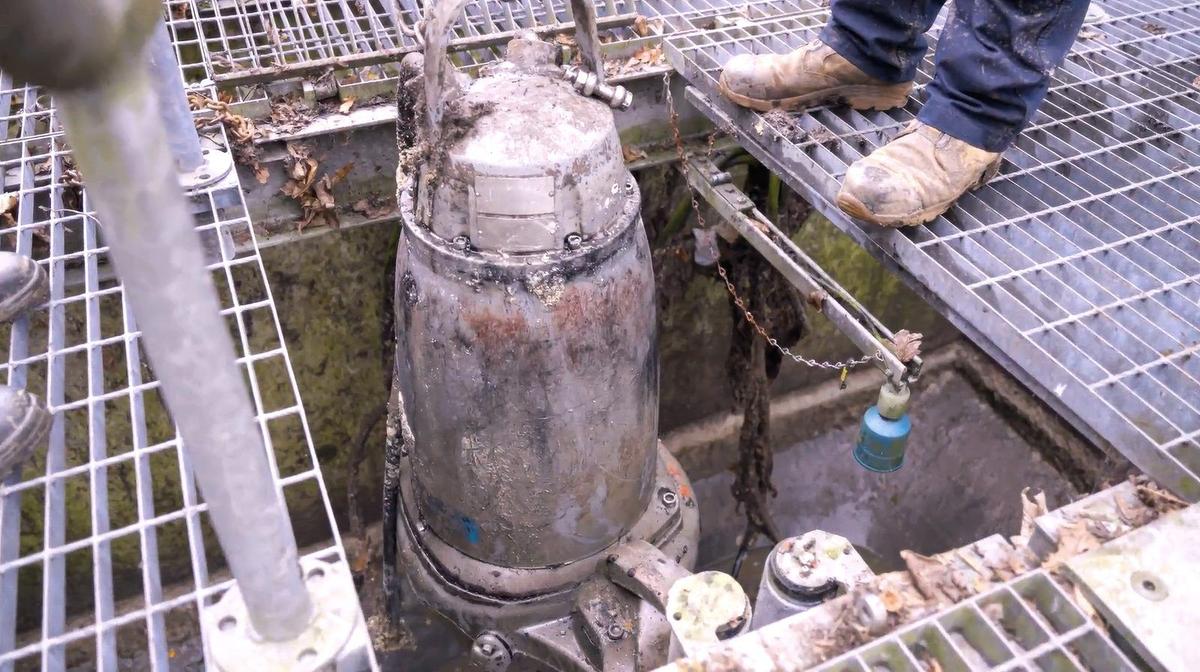
A pump lifted for inspection.
What comes next
New AMP8 orders for 1,200 sewage pumping station assets and 300 clean water pumping assets take the estate under contract past 4,000. Yorkshire Water plans to bring SAM4 insights into its strategic data and cloud telemetry platforms, so the deterioration data informs investment planning as well as the day’s jobs.
“We are rolling out more sensors across our estate of pumping stations. And the benefits will just keep on growing, and improve performance even more.”
Andy Newell, Operational Intelligence Technical Team Leader, Yorkshire Water
Discuss monitoring for your pumping stations
Start with the stations and the failures that cost you most. Discuss the alert information, supporting measurements and engineering support your team would need to act on them.
Sign up for practical advice on condition monitoring, invitations to events and webinars, and SAM4 news from across the water sector.
Unsubscribe any time.
SAM4 for Water Brochure
See where SAM4 fits across your water estate
From borehole pumps 100 metres down to blowers in ATEX zones: which assets SAM4 can monitor from the motor control cabinet, and what it catches before a failure becomes a pollution incident or a lost supply.