

Case study
Control change would reduce aeration blowers' energy cost by 5% overnight
SAM4 Energy identified a change in blower station control strategy that would instantly start saving this wastewater treatment plant €120k a year, with no capital investment required.
Problem
Aeration is easily the most energy-intensive process in the wastewater treatment process, responsible for up to 60% of a treatment plant's power consumption. Five rotary lobe blowers in an activated sludge plant (ASP) at a wastewater treatment works were consuming more than six gigawatts of energy per year, at a cost of €1.3 million. The blowers in a second ASP at the same treatment works showed similar behavior.
SAM4 Energy was installed on the blowers to find any room for improvement. After analyzing the blowers' real-time operational data, SAM4 Energy determined that part of the high energy demand was due to short operation cycles below the blowers' nominal speed.
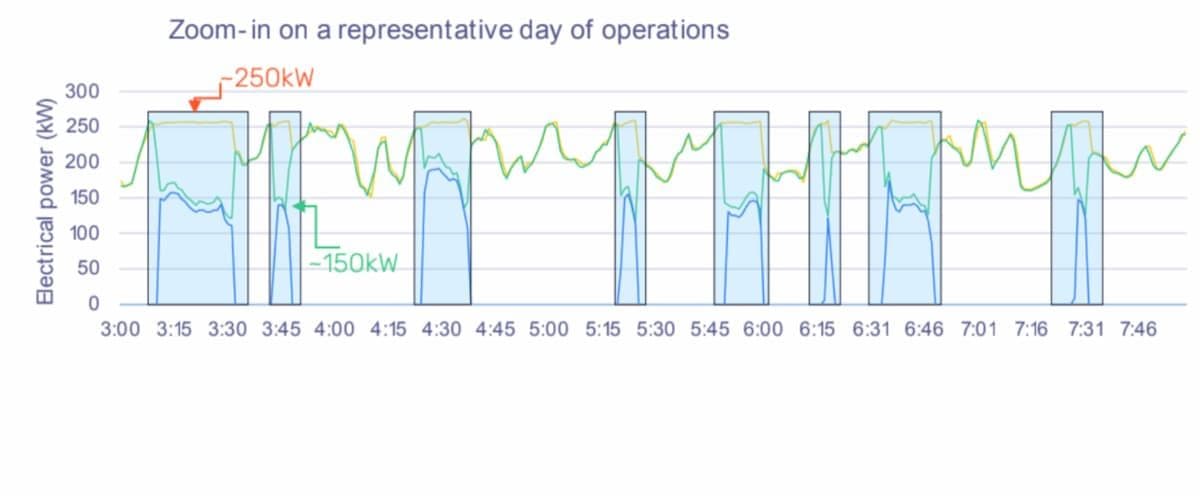
Suboptimal control logic meant that multiple assist blowers were being run at low speeds. Operation below nominal speed and flow is less efficient and uses unnecessary power. Over 5% of the energy consumed was being wasted in this way.
Solution
Our Energy team advised the customer to improve the existing control strategy at both ASPs by increasing the speed of the blowers already running before switching on an additional blower, as well as extending the delay time for an additional assist blower. These two simple changes would instantly reduce the number of low-speed operational cycles. Based on six months of operational data, we calculated that this would reduce the blowers' total energy consumption by 5%.
Savings
Once implemented, this simple improvement will save the customer 268 metric tons in carbon emissions and €120,000 in energy costs per year.

See what SAM4 can detect on your assets
Related case studies
Alert prevents pollution incident and saves €100k
The customer's own vibration system saw nothing. SAM4 picked up the developing fault on the sewage pump and the repair was made before it failed.
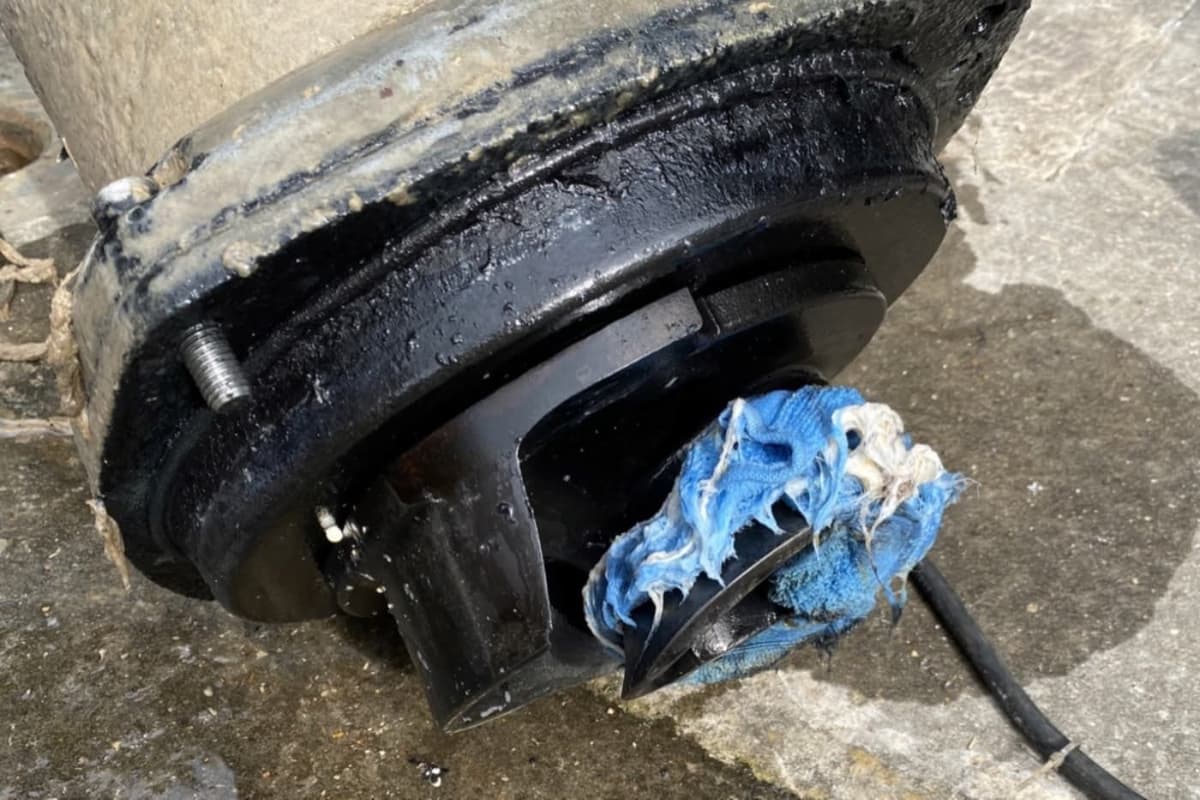
Yorkshire Water clears two blocked sewage pumps
When a second pump began to block, Yorkshire Water sent a team to clear both pumps. The client verified €190,000 in estimated avoided costs.
Early alerts on a degrading oxidation ditch rotor prevent two pollution events and up to €900k in costs
Twice, SAM4 Health provided early warning of gearbox degradation though the vibration system had not yet alerted the customer to a problem.
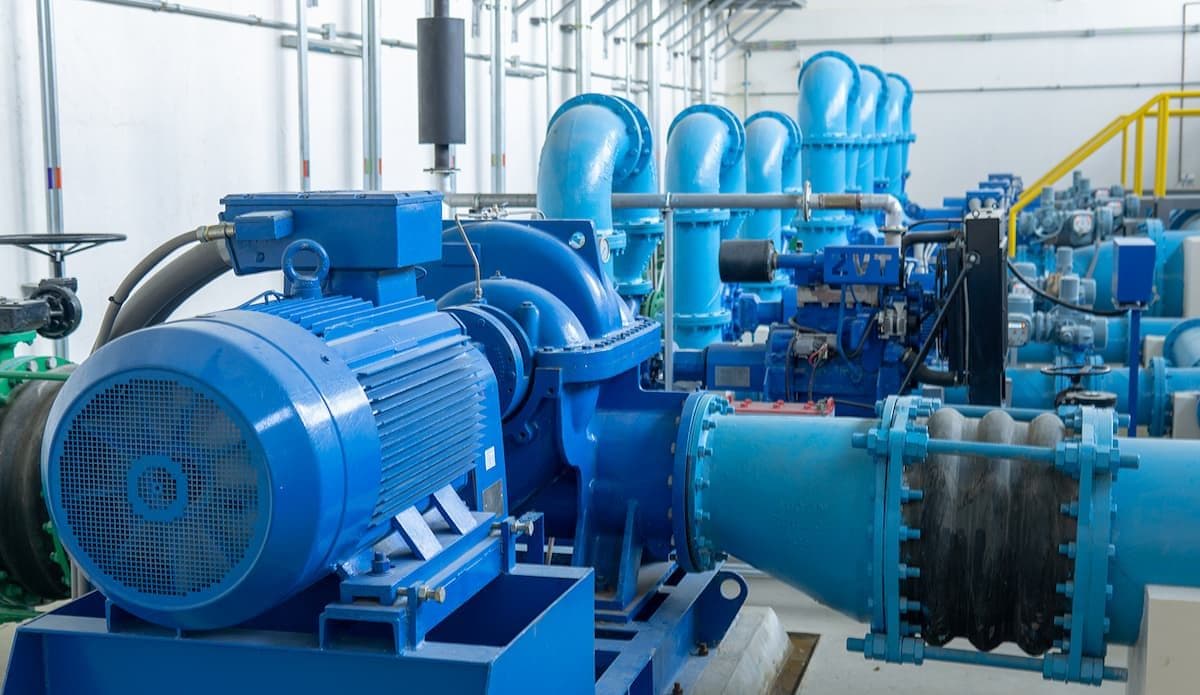
Hydraulically rerating an existing booster pump station to reduce energy cost by €99k a year
Two identical booster pumps ran the same duty. Rerating one to match actual demand cut energy cost while keeping full backup capacity.
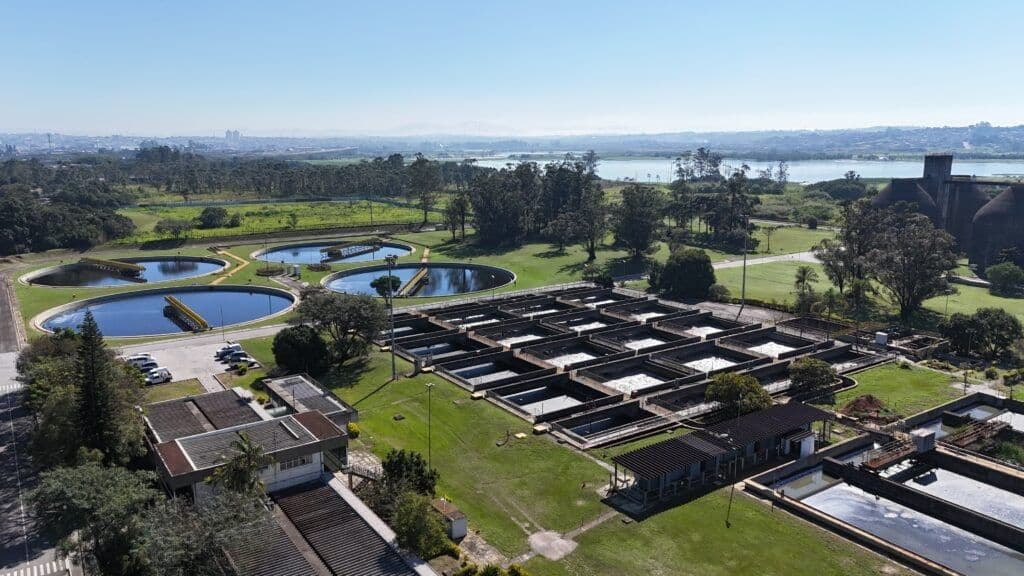
Improving submersible pump efficiency at Sabesp
SAM4 measured how far the submersible pumps had drifted from their design efficiency, showing the operator where energy was being lost.
Preventing downtime on borehole pumps
Borehole pumps sit far underground, out of reach of vibration sensors. SAM4 reads their condition from the motor control cabinet at the surface.