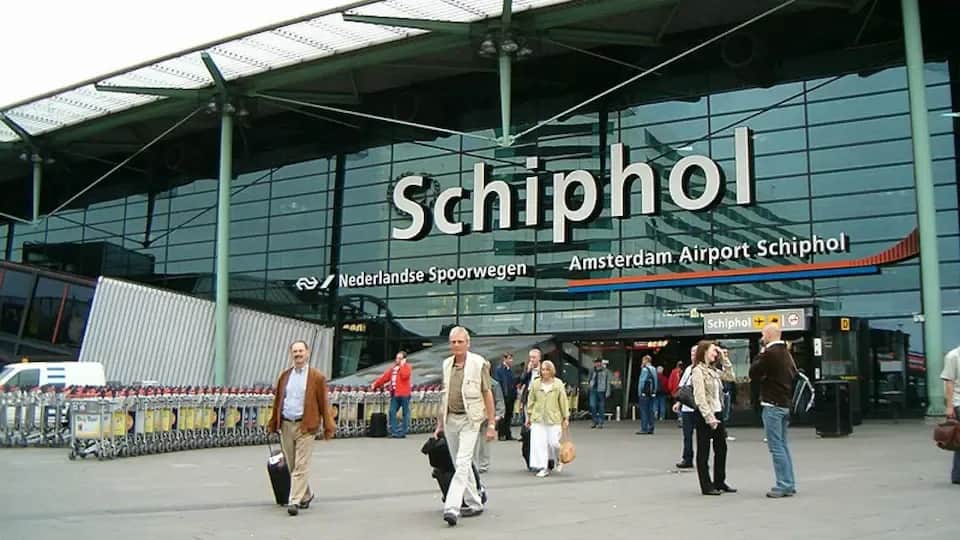
Schiphol reports that the fault information allowed maintenance to be scheduled before breakdowns. The team planned work at night and used the initial trial results to decide on wider adoption.
This result belongs to the reported trial and its monitored equipment. The maintenance benefit described by the customer was the ability to prepare work orders and carry out the jobs during the overnight window.
Read the technical detail and original account
About Amsterdam Airport Schiphol
Amsterdam Airport Schiphol is the third largest airport in Europe, serving over 70 million passengers each year. With the ambition to be the go-to airport for Europe’s travelers, airlines, and logistics service providers alike, Schiphol invests in technology to improve passenger experience, safety, and reliability.
One of Schiphol’s key priorities is improving the capacity and reliability of its baggage handling systems. Day in, day out, a constant stream of passengers arrive with large volumes of baggage. Since physical constraints limit the potential to expand the baggage handling system, Schiphol focuses on maximizing the efficiency and reliability of its existing baggage handling lines.
100% of incidents detected
During an initial 12-month trial period, SAM4 achieved a perfect score, detecting 9 out of 9 developing faults well in advance. “Early detections enable us to create timely work orders, so that issues are dealt with at night, without interruptions to the system and our passengers,” says den Blanken.

An industry where downtime is unacceptable
“Schiphol has a large number of critical assets and downtime is unacceptable,” says Marcel den Blanken, one of Schiphol’s baggage service managers. “That is why we were looking for a condition monitoring solution to help us improve the reliability and availability of our critical equipment.”
“To effectively deal with our challenges, we created an extensive list of requirements for the monitoring solution,” says Den Blanken. “Samotics’ SAM4 solution ticked all our boxes: It could provide actionable information about the state of our conveyors, detect faults at least five days before failure, was easy to install and maintain, and was scalable.”

From installation to monitoring in four weeks
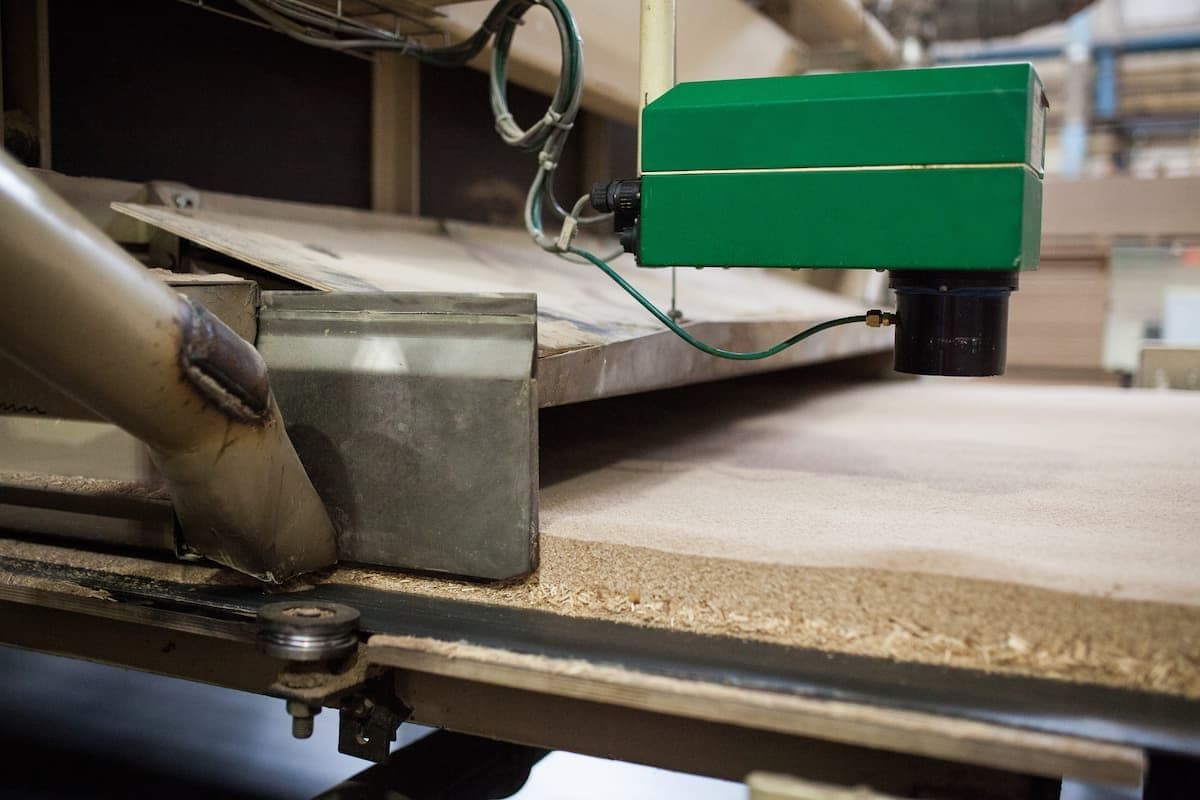
Samotics provided full support to Schiphol during the onboarding process, helping identify the most appropriate equipment to monitor, training on the SAM4 platform, and giving clear guidance for installation. “Because SAM4 installs inside the motor control cabinet, we were able to deploy it across a large number of assets at minimal cost,” says Pieter Bakker, Baggage Service Manager at Schiphol. Installation could also be done quickly without any major infrastructure changes and fit into Schiphol’s operational procedures.
Once the SAM4 hardware was installed, a continuous flow of high-quality data was processed on the SAM4 platform. It took four weeks to complete the automated learning cycle for each monitored asset. After this stage, SAM4 was ready to detect developing faults around the clock.

What's next
Based on the results of the trial period, Schiphol is expanding the use of SAM4 across their production system. “The real-time information SAM4 provided allowed us to schedule maintenance before breakdowns occurred,” says Bakker. “At first I was a bit sceptical about SAM4's ability to detect failures, but the results speak for themselves: It just works.”