
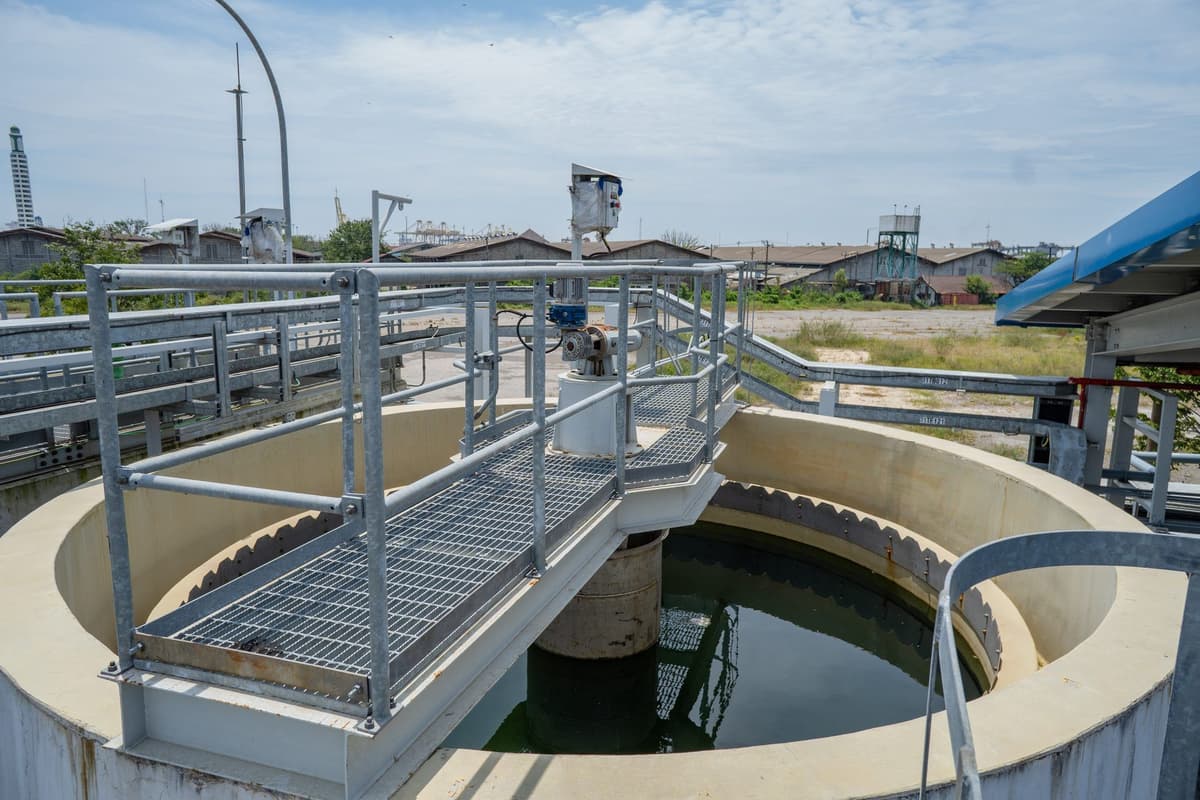
Agitator and mixer monitoring
Sealed. Variable. Mostly unmonitored.
Read the drivetrain through the cable that already powers it.
Reactor agitators never see two identical batches. Load shifts with viscosity, temperature, and charge, so vibration baselines drift each cycle. SAM4 reads at the cabinet and builds a per-batch baseline that separates process variation from drivetrain wear.
Inside a sealed vessel. Invisible to inspection. Critical to production.
Agitators sit inside sealed, pressurised, or hazardous vessels. Physical inspection requires isolation, draining, and confined space entry. Most agitators run without any condition monitoring until product quality drops or a seal leaks. The result is a structural monitoring blind spot.
of agitator maintenance events are seal failures: the single largest maintenance cost. Industry data shows improper installation and contamination drive most premature failures.
Variable load, no clean baseline
Agitator gearboxes handle axial thrust, radial loads, and process-induced torque spikes. Each batch shifts the load signature. Static vibration thresholds either miss the real fault or trigger on routine recipe changes.
Mostly unmonitored
Most agitators in a typical chemical plant run with no continuous condition monitoring. Industry surveys consistently find monthly walk-arounds and run-to-failure as the norm.
Reading the drivetrain from the cabinet
The motor cable already carries the signal. SAM4 reads at the cabinet, classifies the fault, and routes it through expert review before it reaches you.
Mechanical events in the agitator drivetrain modulate the motor's torque demand. Stator winding degradation and rotor bar defects produce signatures tied to motor rotation speed. Gear mesh wear shows up as sidebands on the gear-mesh frequency. An imbalanced impeller creates a 1x rotational frequency component.
These changes propagate from the impeller through the shaft and gearbox to the motor control cabinet. SAM4 reads the three current and three voltage signals at the cabinet and builds a per-batch baseline. The baseline separates process variation, viscosity, temperature, charge, from drivetrain wear.
For agitators, this is the only practical continuous monitoring path. The asset is sealed. Vibration sensors are difficult or impossible to mount in many environments: ATEX zones, GMP clean rooms, hot reactor walls. The cable is already there.
Representative SAM4 dashboard view. The cabinet read produces fault classifications with evidence levels and recommended actions. On agitators, the same workflow runs against a per-batch baseline.
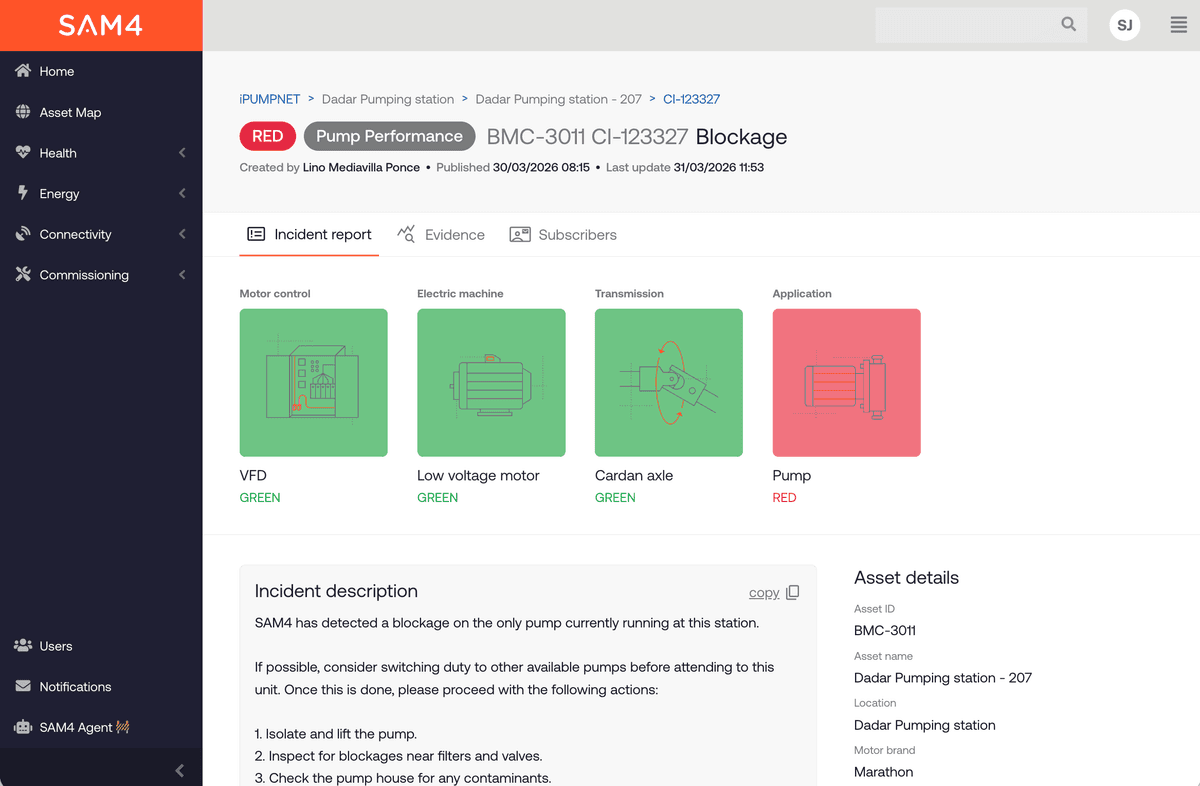
Signal flagged
Expert review
Fault classified
Action recommended
What SAM4 detects on this asset, and where it doesn't fit
One table. Each fault class appears once with its signal path, the strength of field evidence on this asset class, and the recommended use of SAM4. Most agitators are gearbox-driven and run inside sealed vessels; ESA reads the drivetrain through the cable that powers it. Field evidence drawn from 15 reviewed cases over the 12 months ending 2026-05-01.
| Fault class | Signal path | Field evidence on this asset | Use SAM4 as |
|---|---|---|---|
| Phase loss and voltage imbalance | Direct / electrical. Resolved at the cabinet from current and voltage symmetry. | Pathway established across motor-driven assets. | Primary monitoring |
| Mechanical unbalance | Load signature + 1x running speed. Reaches motor current through the rotor and shaft. | Cases reviewed. Detected consistently across blade and shaft unbalance sub-types. | Primary monitoring |
| Process-induced load deviation | Load signature. Viscosity, batch charge, and temperature shifts reach the current as torque change. | Detected consistently across the cohort. SAM4 builds a per-batch baseline that separates process variation from drivetrain wear. | Primary monitoring |
| Gearbox degradation or gear-mesh anomaly | Output-shaft signatures coupled to the motor. Most agitators run on slow-speed, high-torque gearboxes. | Small sample reviewed. Pathway established across asset classes. | Conditional |
| Coupling-related load anomaly | Load signature + 1x. | Small sample reviewed. No misses observed. | Conditional |
| Shaft or coupling misalignment | Load signature + 2x. | Small sample reviewed. Vibration phase analysis discriminates root cause. | Conditional |
| Impeller or blade fouling | Long-window load signature drift. | Cases reviewed. Detected via motor electrical signature shift. | Conditional |
| Stator winding short indicators | Direct / electrical. | Pathway established across asset classes. Agitator-specific cohort still building. | Conditional |
| Rotor bar degradation | Indirect electromagnetic. | Pathway established across asset classes. Agitator-specific cohort still building. | Conditional |
| Soft foot indicators | Distinctive base-mounting signature in the current. | Small sample reviewed. | Conditional |
| Bearing degradation | Indirect electromagnetic + load. Visible once degradation reaches the motor current. | Stable runtime helps; intermittent batch duty thins the signal. Vibration on accessible critical agitators remains the better tool for raceway-level diagnosis. | Late-stage detection |
| Seal-related anomalies | Indirect / late. Detectable once degradation affects load or current. | Mechanical seals at the vessel entry produce no torque modulation before leak. SAM4 catches the root causes (misalignment, unbalance, overload) and cascaded effects. | Late-stage detection |
Outside the envelope: Shaft bend or catastrophic structural damage: Use shaft inspection and vibration on accessible installations. Vessel-internal mixing efficiency or dead zones: Use process tracer studies or computational fluid dynamics modelling.
Where ESA fits in your monitoring architecture
Most agitators run without continuous health monitoring. ESA fills that gap. It runs alongside what's already in place, not in place of it.
Process layer
SCADA on temperature, pressure, flow, viscosity, and batch metrics. Process control on the VFDs. These tell you when the batch isn't going right. They don't tell you which agitator is degrading, or why.
Asset-health layer
Continuous monitoring on every agitator, read from the motor control cabinet. Per-batch baseline that separates process variation from drivetrain wear. Each detection passes through expert review and arrives with an evidence tier showing the strength of the supporting field evidence. No vessel access. No extra sensors on the asset.
Specialised layer
Mechanical seal integrity (use seal-pot or emissions monitoring). Vessel wall corrosion and internal fouling (use NDT). Process rheology that doesn't couple to torque (use inline viscometry). Driven-end bearings on the most critical units (use vibration where accessible). These sit outside what the cabinet read can resolve.
ESA covers the continuous monitoring gap on agitators that vibration cannot reach at fleet scale, and reads the same signal that drives the asset.
Methodology and validation detail
Reviewed evidence from the 12 months ending 2026-05-01. Case-level detail in the validation report.
Review window
Window: 12 months ending 2026-05-01.
Every alert in the window is reviewed by a Samotics analyst and scored as: fault detected, fault missed, false communication, inconclusive, or not applicable. Inconclusive and not-applicable cases are excluded from both metrics.
Why we report this case by case
The reviewed sample on agitators and mixers is 15 cases over the past 12 months. Per our reporting rules, samples below 50 cases get counts and case-by-case reporting, not pooled performance percentages. The validation report contains the case-level detail.
Real detections on agitators and mixers
A representative customer detection. Full cohort detail in the validation report on request.

Under 60 minutes. No vessel access required
1. Open the motor control cabinet
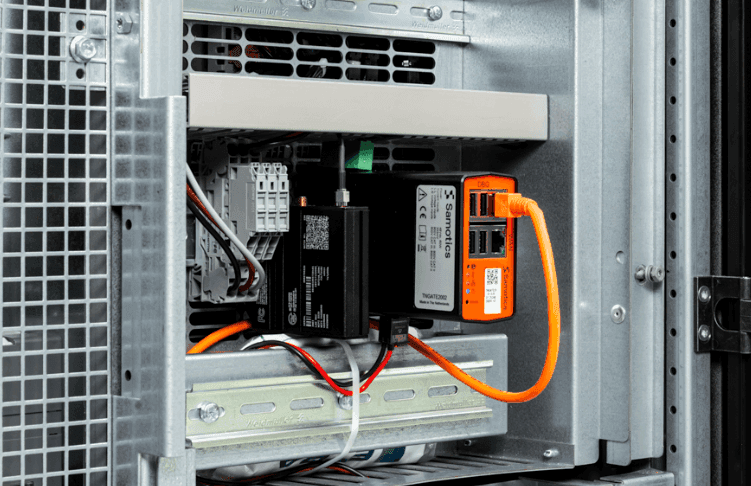
SAM4 installs at the MCC, the same panel your electricians already access. No confined-space entry. No vessel penetration. No interference with cleaning or sterilisation cycles.
2. Clip sensors onto motor supply cables
Current and voltage sensors clip directly onto existing motor cabling. Installation requires a brief motor de-energisation while sensors are fitted, typically scheduled with operations. Works with DOL starters, soft starters, and VFD-driven agitators.
3. Connect and commission
The SAM4 gateway connects via cellular (4G/LTE). No dependency on site IT or SCADA networks. Per-batch baseline learning starts immediately. First diagnostic results within 48 hours.
Industries using SAM4 on agitators and mixers
Other asset types SAM4 monitors
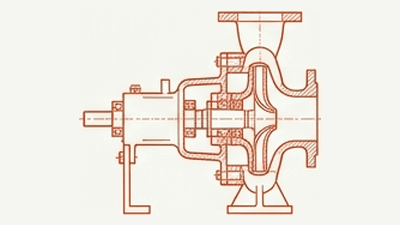
Pumps
Centrifugal pumps in water, chemicals, oil & gas, and process industries.
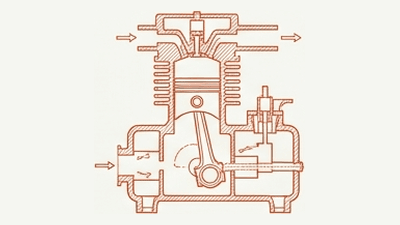
Compressors
Reciprocating, screw, and centrifugal compressors across process industries.
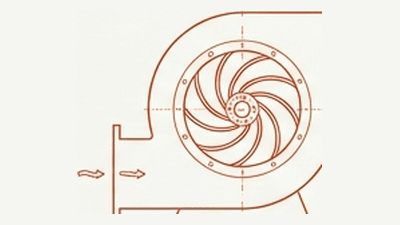
Fans & blowers
Ventilation fans, cooling fans, process blowers, and aerators.
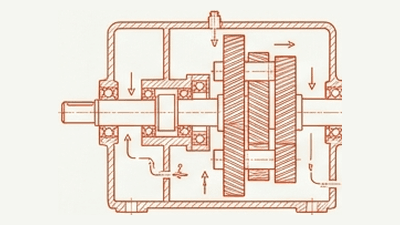
Transmissions
Belt drives and coupling systems between motor and driven asset.
See SAM4 monitoring agitators and mixers
A 30-minute demo shows SAM4 running on agitators and mixers like yours, with real fault data and diagnostics from chemical process and water treatment operations.
Common questions about agitator and mixer monitoring
No. On critical reactor agitators where driven-end vibration on bearings is mandated, ESA runs as a continuous-monitoring layer alongside vibration. Vibration provides direct mechanical access. ESA provides per-batch-baseline trending across the full fleet from the cabinet. Use both where the asset criticality justifies it.
Yes. SAM4 supports DOL starters, soft starters, and VFDs. Medium-voltage VFD configurations require dedicated engineering assessment before deployment.
Yes. SAM4 sits at the motor control cabinet outside the hazardous zone or clean room. No surface-mount sensors enter the controlled environment. No vessel access. No interference with cleaning or sterilisation cycles.
1 kW. Below that, signal-to-noise against process variation is too narrow to support reliable detection on agitators.
Multi-stage and planetary reducers attenuate the signal per stage. SAM4 trends gearbox health rather than diagnoses specific tooth-level damage on downstream stages. Input-stage faults (gear-mesh sidebands, bearing defects, tooth damage) are detected reliably; downstream stages fall in the developing band.